


Sudan
Our work there at a glance:
- Medical care
- Construction & operation of a hospital complex
- Further training for local staff
- Deployment of emergency physicians, nurses
- Vaccination program for children
Our goal

Medical care for people who have fled from war and violence to the Nuba Mountains.
Work between war and peace
Sudan has been the stage of armed conflict for years. How do you react when bombs are suddenly dropped on the hospital? Nurse Johannes Plate reports on work in the war zone.
Latest news
Project reports
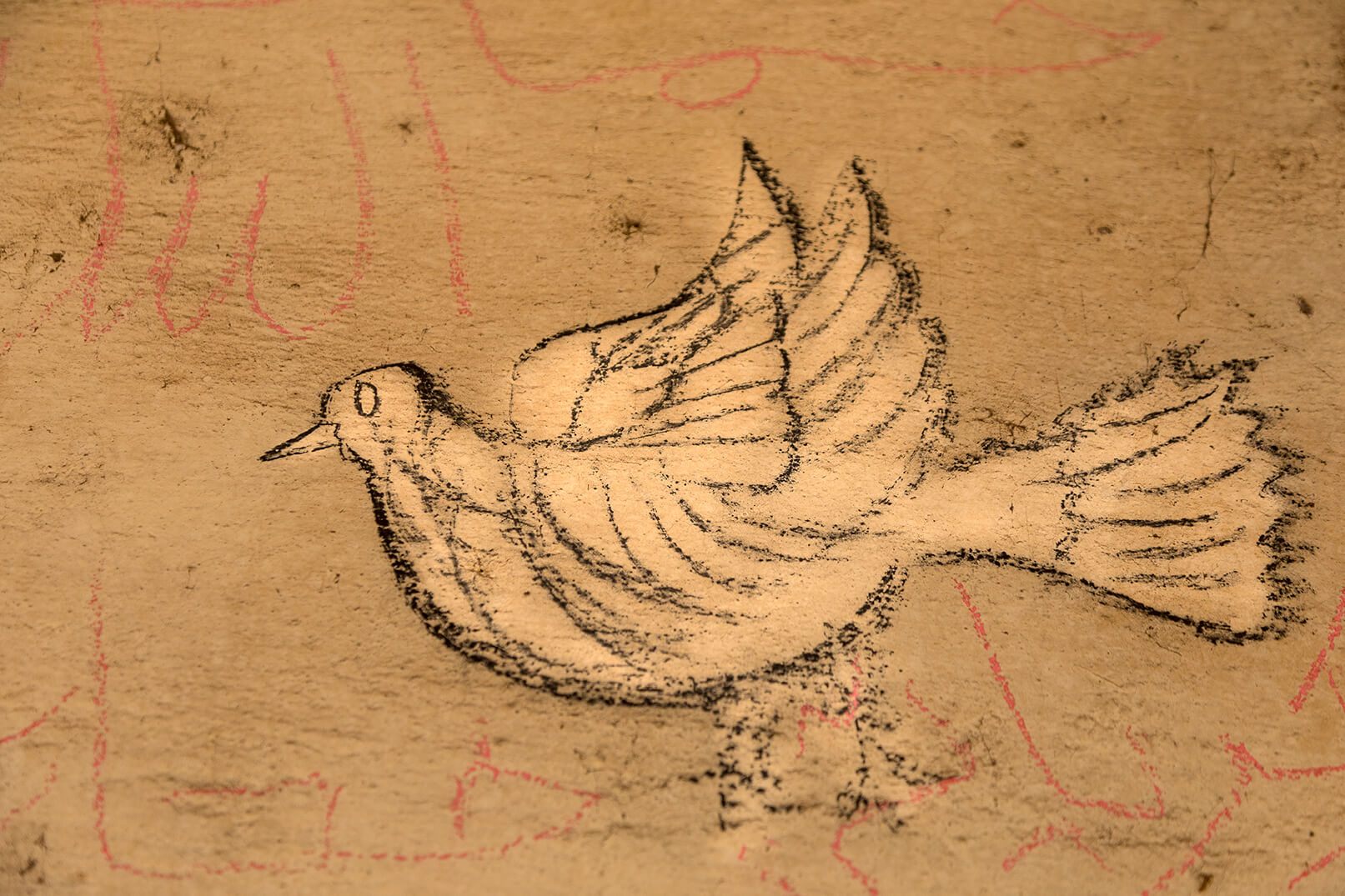
Sudan: The conflict has reached the Nuba Mountains
Due to the deteriorating security situation, we have to reorganise our work. Our hospital in Lwere can currently only operate at a greatly reduced capacity.
Two women, one camp – life and hope in Sudan
An experience report from the Nyakama IDP camp about hunger, displacement and the power of solidarity.
ARTE-documentary: ‘Sudan: A hospital in the shadow of war’
A film team accompanied us for six weeks in our hospital in Sudan in October 2024. The result is an impressive documentary. Now available in the ARTE-media centre.
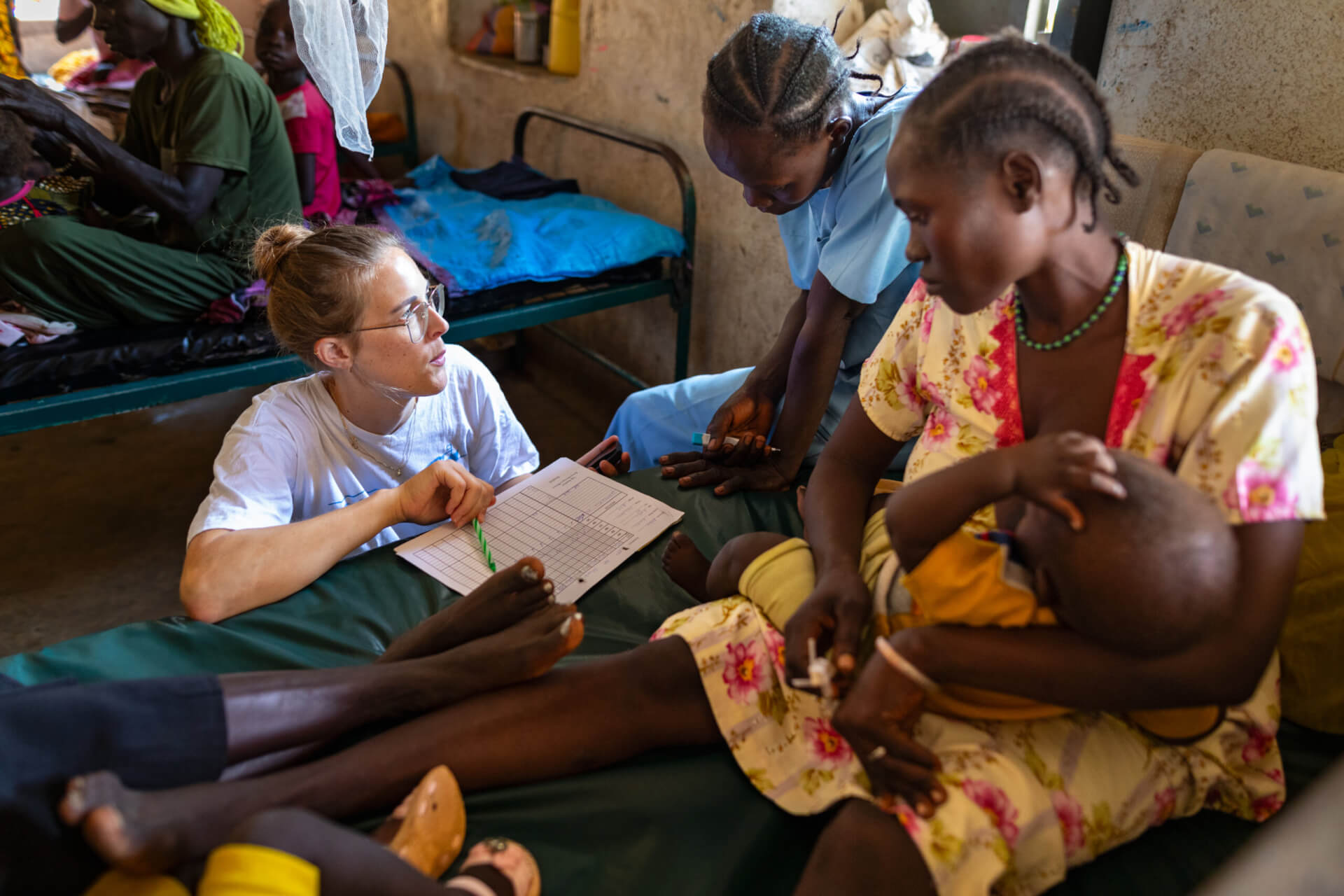
Eight months in Sudan: Doctor Greta on malnutrition, medical aid and hope
Doctor Greta reports on the challenges of treating malnourished children, the importance of intercultural education - and the visible progress that medical aid can bring on the ground.

Podcast on the situation in Sudan: “Scalpel instead of Kalashnikov”
Our hospital in the Sudanese Nuba Mountains has been defying war and isolation for decades - the podcast “Scalpel instead of Kalashnikov” (Ö1 - in German language) is an impressive account of the tireless efforts of our medical team in the midst of an escalating civil war.
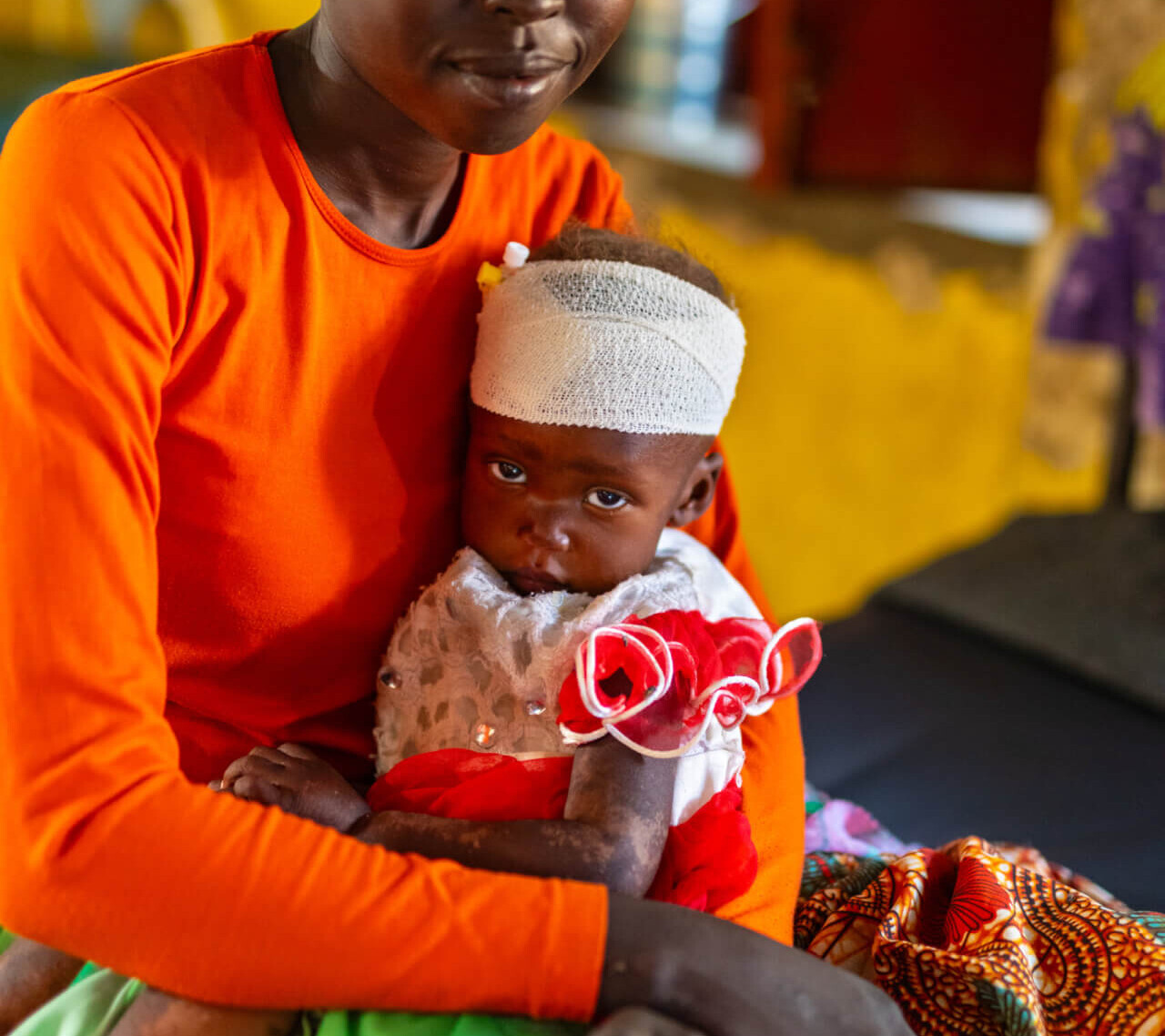
Little Azima | A Story of Hope and Dedication
For over two years, a bloody war has been raging in Sudan, forcing more than 13 million people to flee. The conflict has now reached the Nuba Mountains. The country is facing one of the worst hunger crises in the world.
Key Health Statistics*
Life expectancy
69/63 Years
(women/men)
Infant mortality
39
per 1,000 births
Doctors
0,2
per 1,000 inhabitants
Cap Anamur engagement in Sudan.
1985 – 19921997 –Today
* Source: Federal Statistical Office
The situation in Sudan
Political situation
Sudan has been plagued by violent conflicts for decades. The secession of South Sudan in 2011 intensified the fighting, particularly in the border region of South Kordofan. Following the ousting of the long-serving president in 2019 by the Uprising movement, a transitional government comprising civilians and military personnel was formed – but this was brought to an end in 2021 by another military coup. Since April 2023, a bloody power struggle between the army and the paramilitary RSF has been escalating, culminating in an all-out civil war. Despite international mediation efforts, the conflict continues to intensify, accompanied by massive human rights violations and a dire humanitarian situation.
Social situation
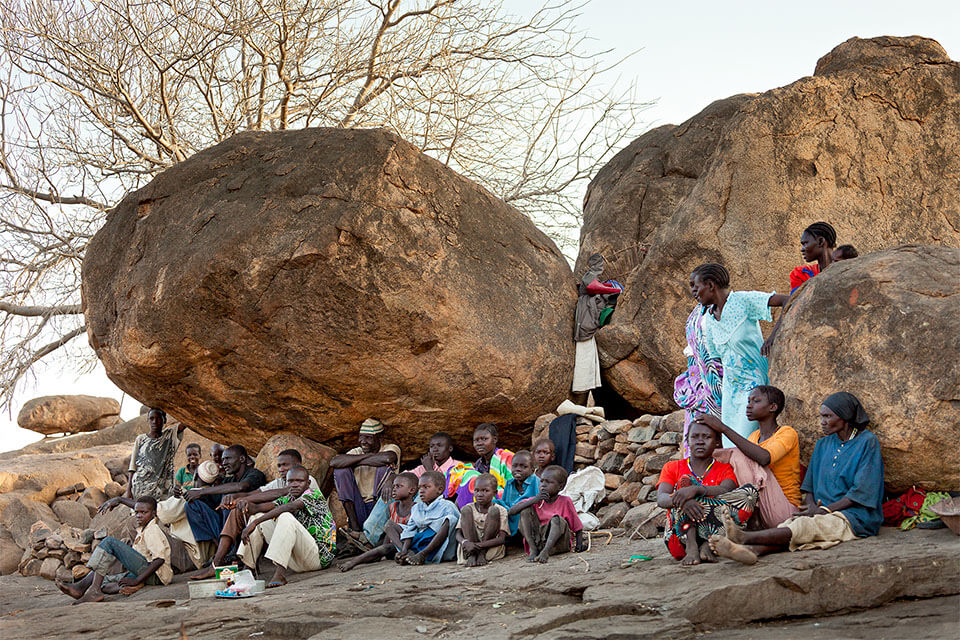
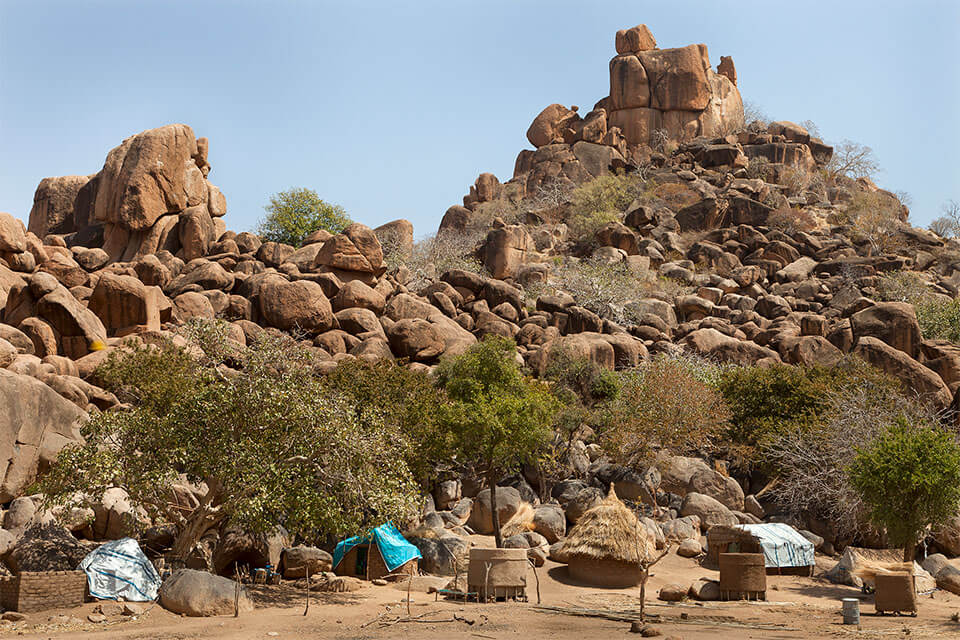
The civilian population is suffering most from the fighting between rebels and government troops, fleeing their home villages, which are often under fire, and seeking shelter in the caves of the Nuba Mountains. However, lack of food, low water reserves and poor medical care quickly turn life in the mountains into a struggle for survival.
Furthermore, climate change is having an increasing impact on people’s lives: rainy seasons are shifting or failing to materialise altogether, whilst droughts and floods are on the rise. The weather can no longer be predicted, which makes agricultural production immensely difficult. This results in crop failures, which further exacerbate the already dramatic famine.
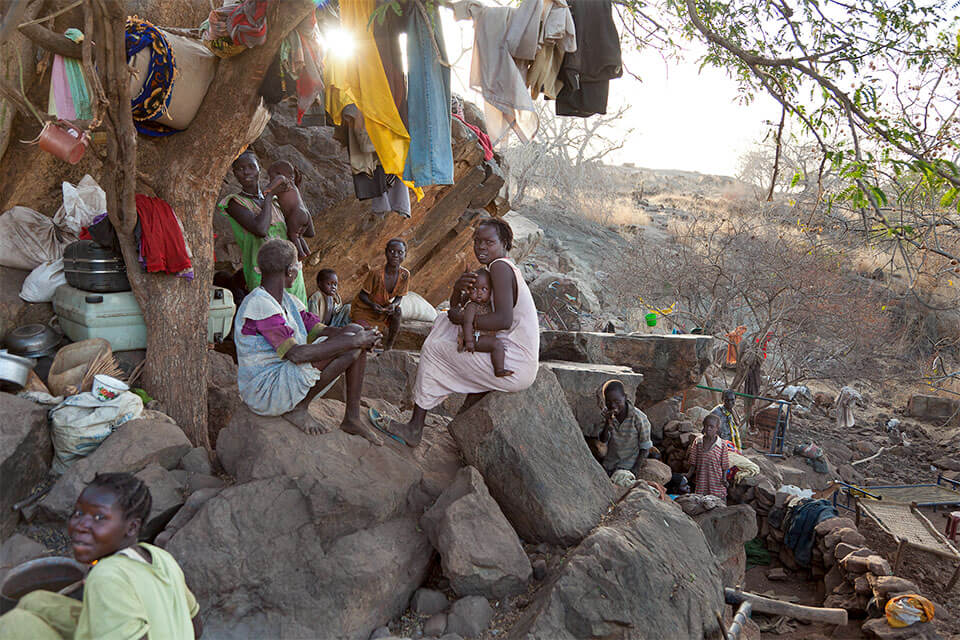
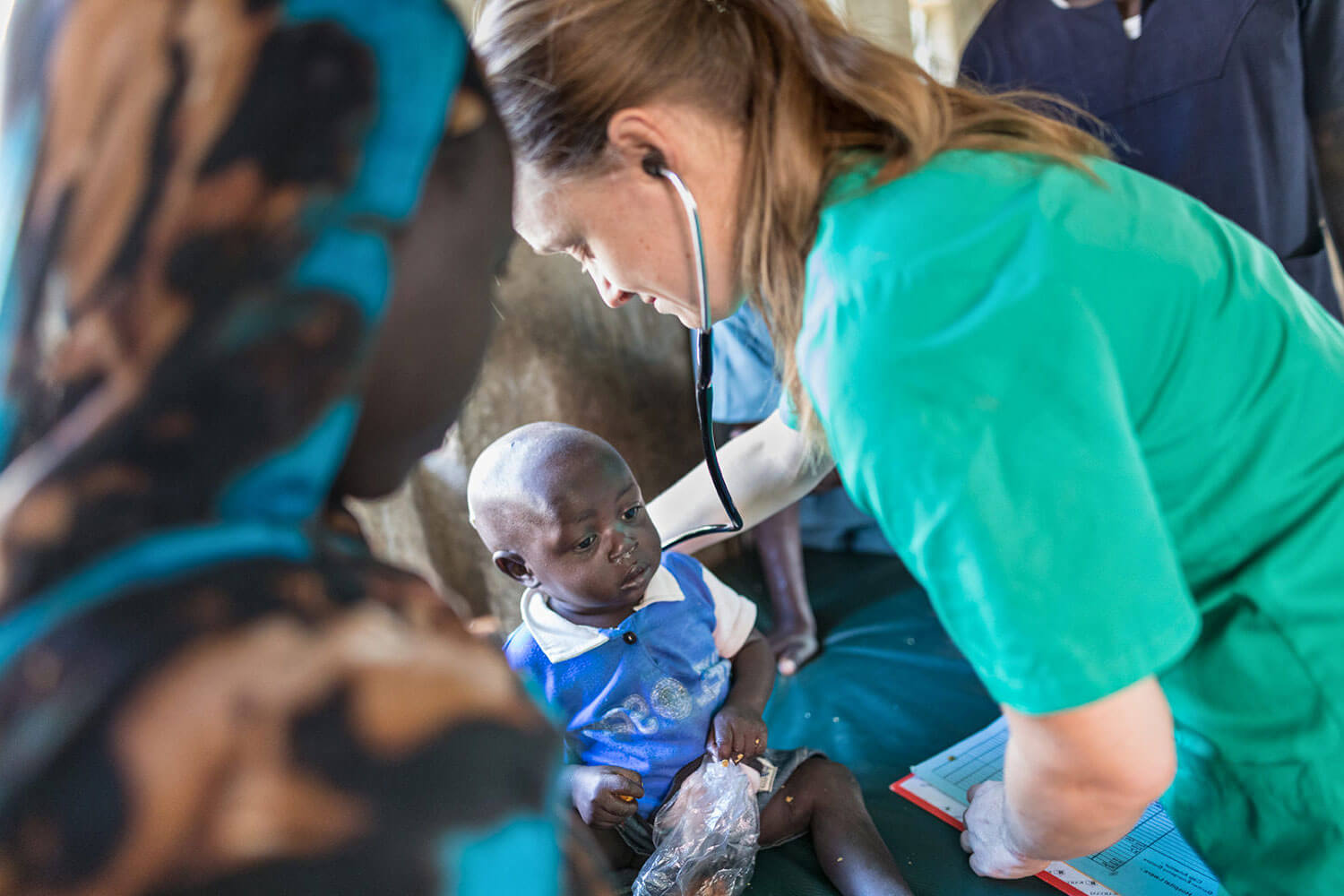
Since 1997, Cap Anamur has been providing the highest standard of medical care in the Nuba Mountains through its own hospital in Lwere, treating over 120,000 people every year.
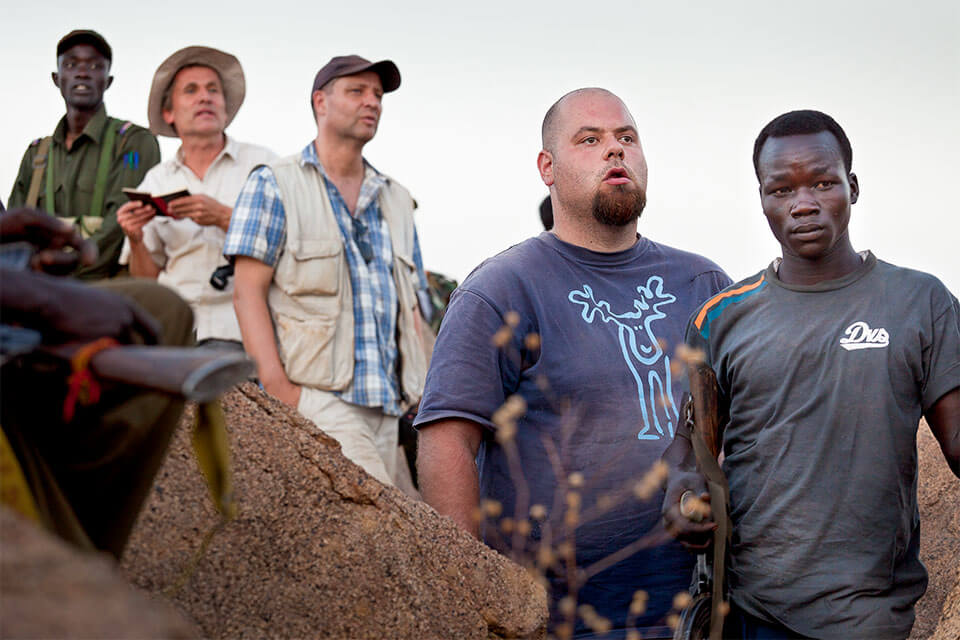
Fight for Freedom – The Forgotten War in the Nuba Mountains. Many people from the surrounding villages have fled to the caves near Tongoli because of the bombing terror.
Our engagement in Sudan
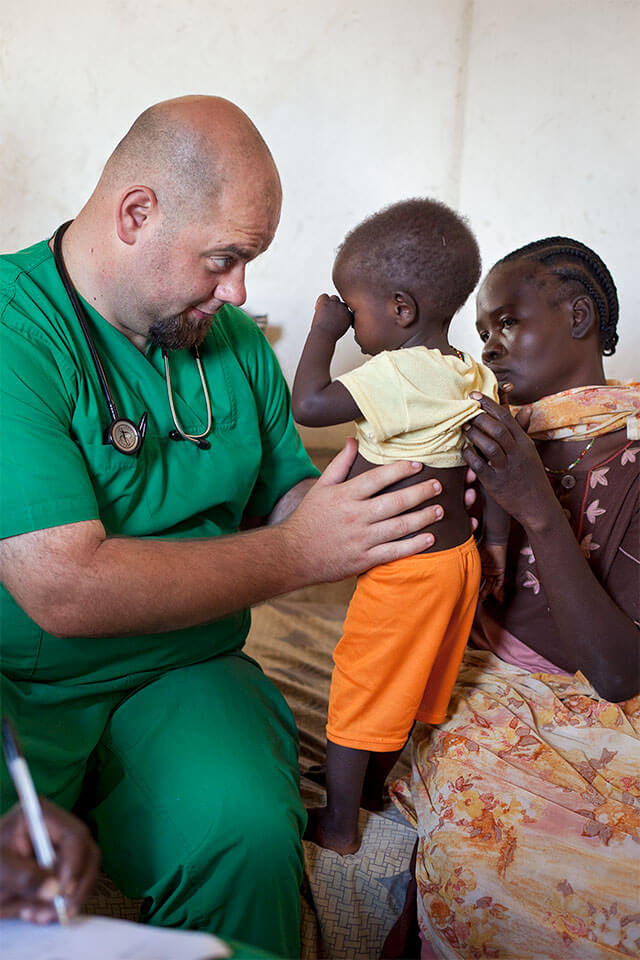
Since the conflict in Sudan escalated once again in 2023, the Nuba Mountains region has also been directly affected by the war. Despite the tense situation, we are managing to keep our hospital running as one of the last functioning healthcare facilities.
Thousands of people are fleeing and, after treks on foot that sometimes last for days, are reaching the Nuba Mountains. For many, our hospital is their first and only port of call. No longer merely on the periphery of events, but at the heart of a humanitarian crisis, we are now providing the highest standard of medical care.
To meet the growing demand, we are continuously expanding the hospital complex: new wards are being built, bed capacity is being increased, and an isolation ward is being set up.
In 2026, we will once again be sending highly qualified medical professionals to bolster the local team and ensure a stable supply of care under the most challenging conditions.
Thanks to our hospital and health centre, we have been able to significantly expand the scope of our aid.

> 120.000 patients
In total, our work in Sudan helps over 120,000 patients every year.

every 6 months
We replenish the medication stocks every six months with a large delivery.

3 million people in the catchment area
For around 3 million people, our hospital in Sudan is a key centre for medical care.



What happens next
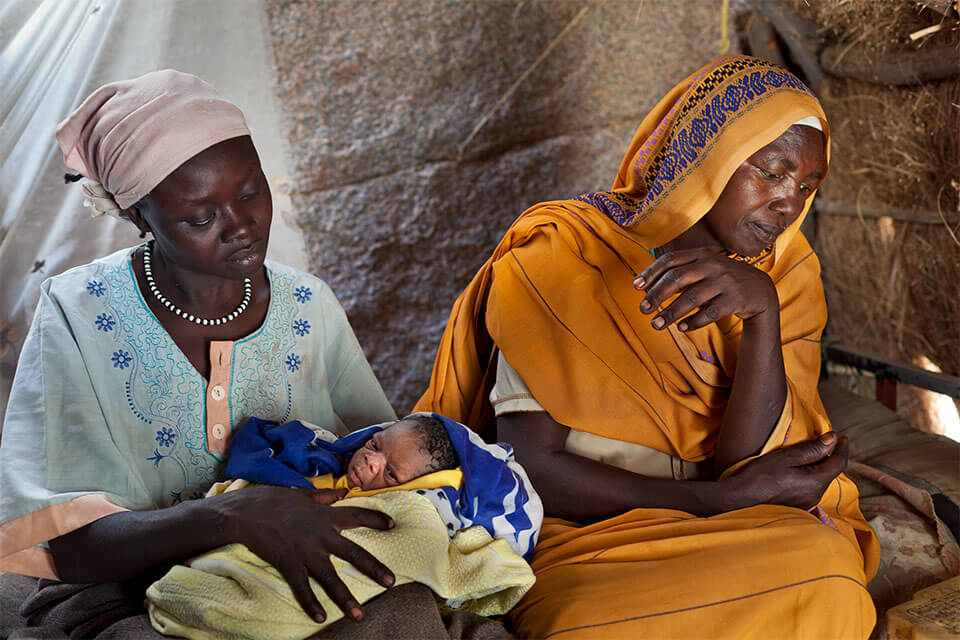
Following significant political developments in the Nuba Mountains in 2020, the long-standing conflict escalated once again in 2023. Since then, a brutal war has been raging in Sudan. The Nuba Mountains have so far been spared from active hostilities. We are therefore able to continue running our hospital, which is one of the last functioning healthcare facilities in the area.
As an integral part of the local community, we will continue to assist the local population with our basic health care services. Whether we can expand our radius of action to include new areas will depend on the threat situation at the time.
Fest steht, dass wir 2026 wieder hochqualifizierte Mediziner:innen ins Projekt entsenden, um die lokalen Mitarbeiter:innen weiterzubilden. In addition, we will undertake further construction measures at the hospital complex.
