


Afghanistan
Our work there at a glance:
- Management of a dialysis unit in Herat and Farah
- Operation of a Comprehensive Health Center
Afghanistan
Our work there at a glance:
- Construction and supervision of a dialysis ward
- Operation of a Comprehensive Health Center
Our goal
Improving medical care - especially in rural areas.

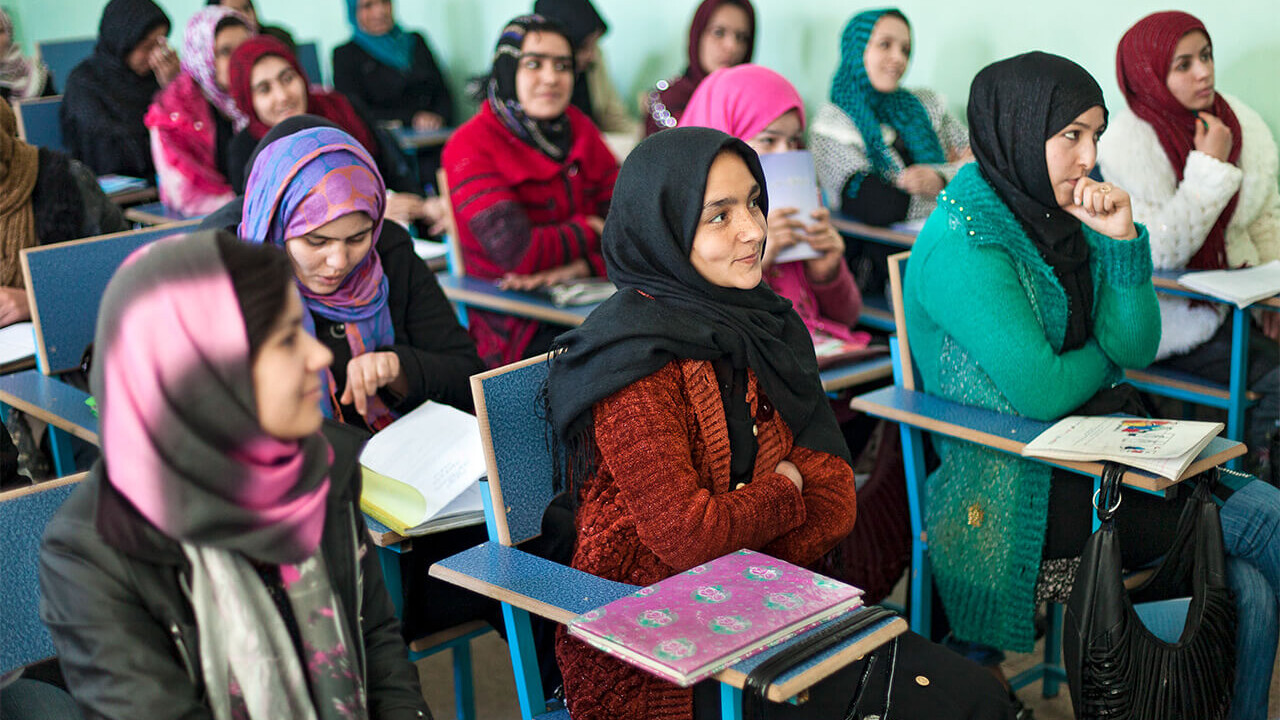
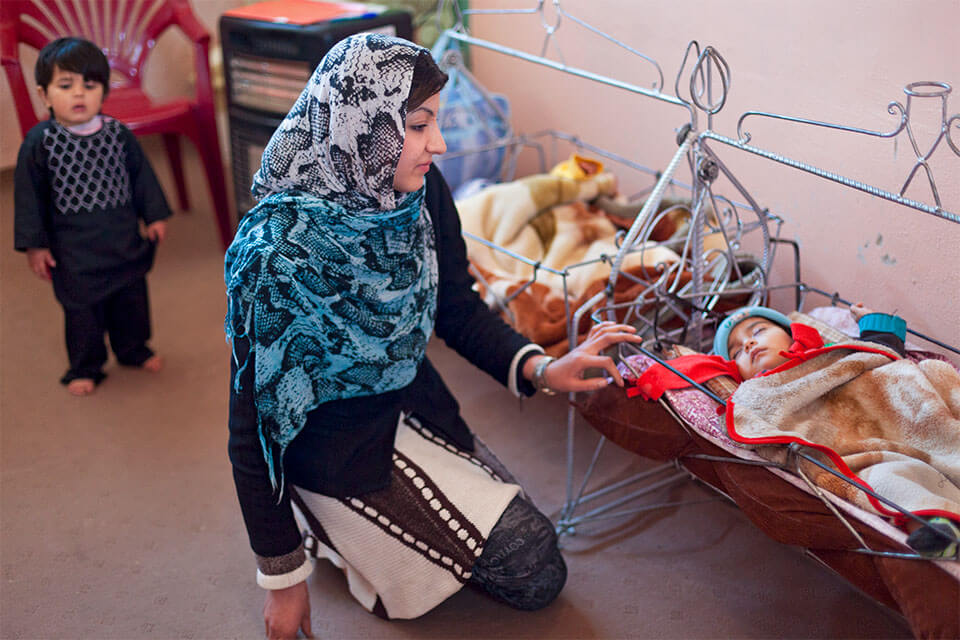
Cap Anamur is continuously working to improve medical care in Afghanistan – especially in rural areas. Our past activities have included building hospitals and training women to become nurses or midwives. We currently run a dialysis unit and operate a comprehensive health center. Here, we can employ women who have completed training with us. This also gives female patients access to basic care, as they may only be treated by female professionals.
Latest news
Project reports
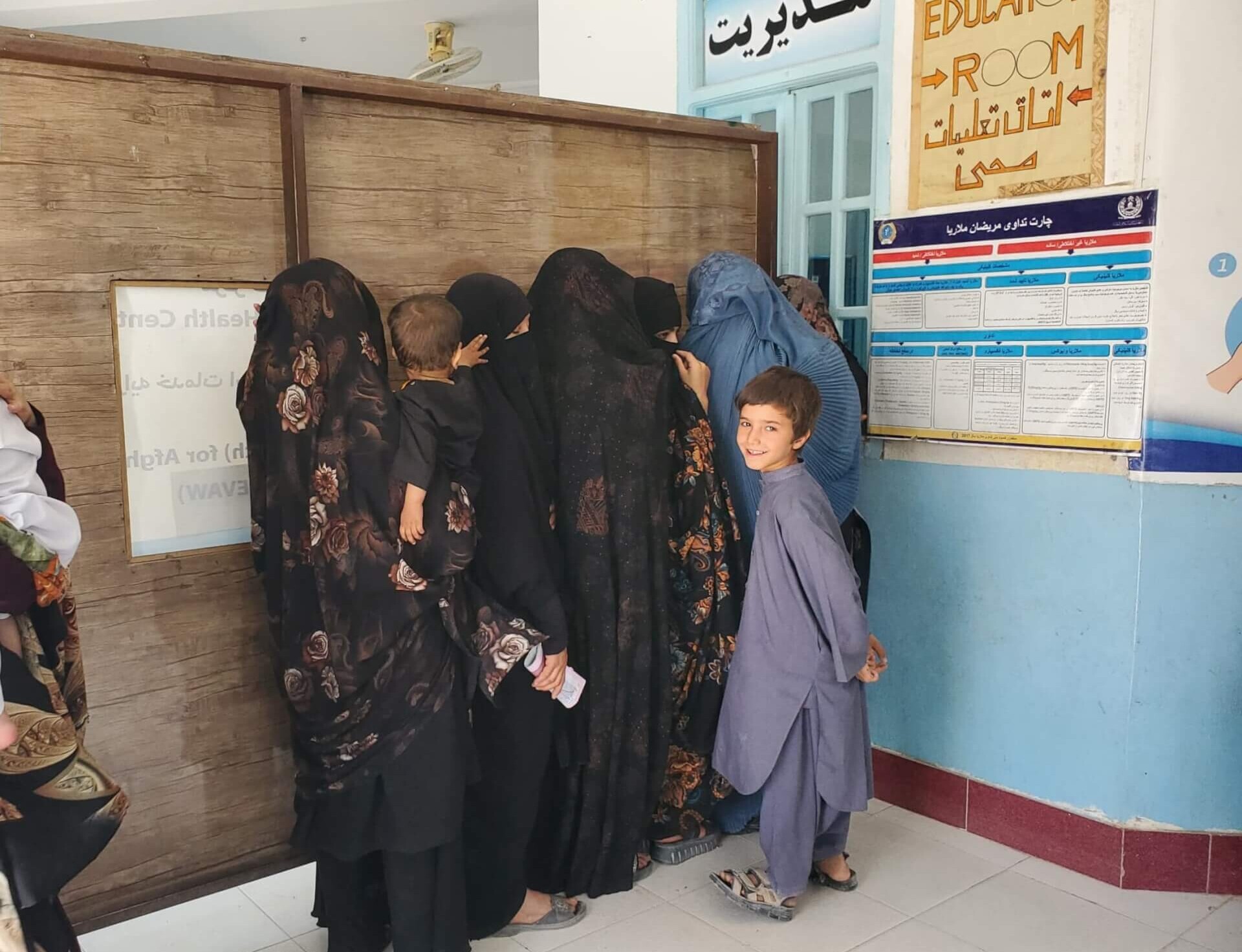
Healthcare provided by women – under increasingly difficult conditions
Our new Comprehensive Health Center in Herat Province gives women back a little bit of self-determination.
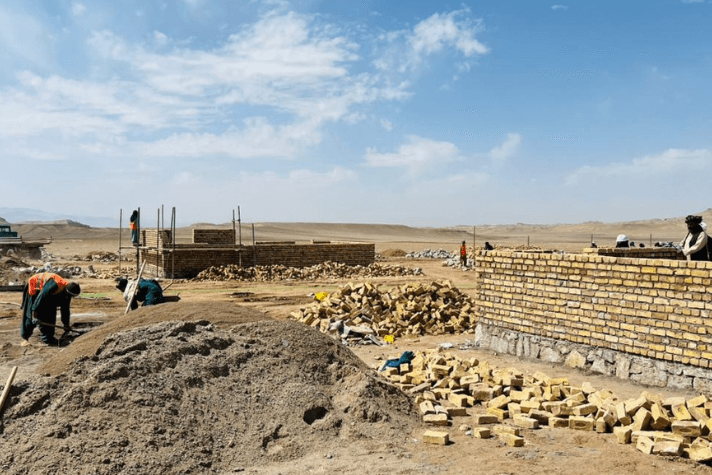
Reconstruction Aid for Earthquake Victims in Afghanistan is Progressing
The earthquake in Afghanistan on October 7, 2023 almost completely destroyed some rural regions of Herat province. More than 1400 people lost their lives. Cap Anamur is providing reconstruction aid in the region.
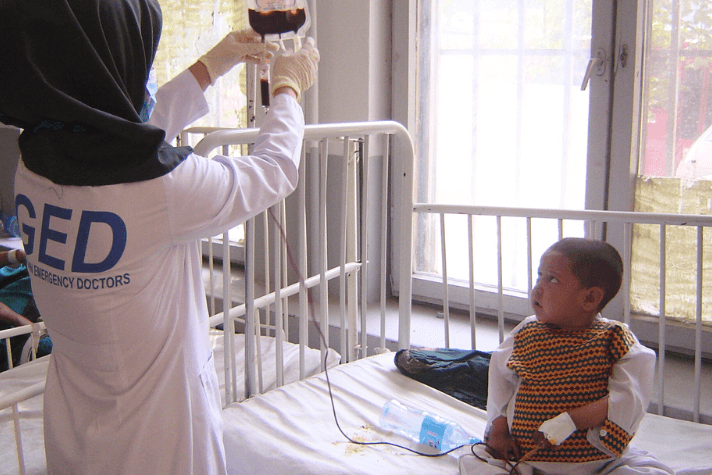
Cap Anamur Continues to Provide Aid for Afghanistan
Despite the Taliban takeover in 2021, Cap Anamur remains active in Afghanistan and is improving career prospects for women in order to strengthen the healthcare system.

A Chance for Women in Afghanistan to have a Career Future
With our training course, we are offering women in Afghanistan the chance of a professional future and, as nurses, they will then contribute to the medical care of the Afghan population.
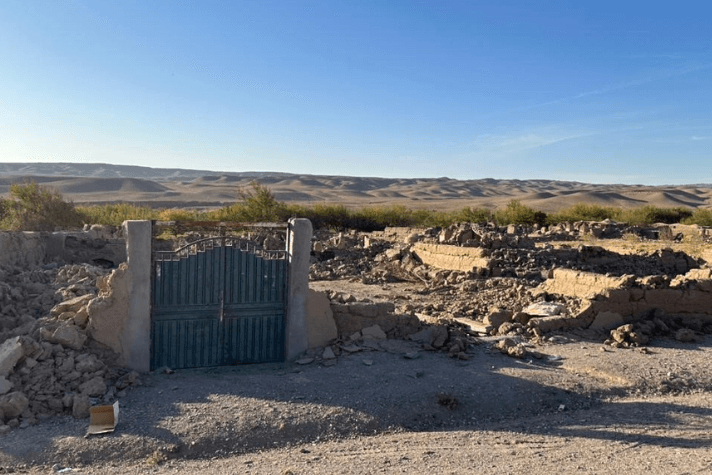
Reconstruction Aid for Afghanistan
Cap Anamur / German Emergency Doctors e.V. rebuilds completely destroyed homes in the earthquake region in Afghanistan.
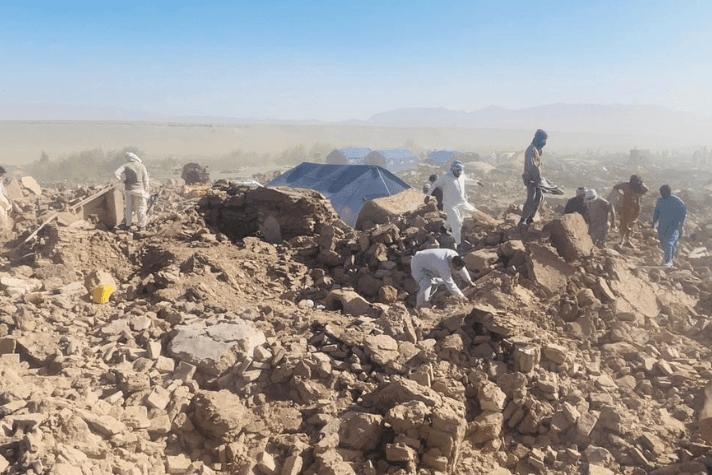
Emergency Aid for the Earthquake Victims in Afghanistan
Cap Anamur / German Emergency Doctors immediately provides emergency medical aid for the earthquake victims in Afghanistan
Key Health Statistics*
Life expectancy
68/65 years
(women/men)
Infant mortality
50
per 1,000 births
Doctors
0,3
per 1,000 inhabitants
Cap Anamur engagement in Afghanistan
1987 - 19892001 – today
*Source: Federal Statistical Office
The situation in Afghanistan
Political situation
Afghanistan is a country with a long history of conflict and political instability. It consists of 34 provinces, which are divided into districts, and has great cultural and ethnic diversity.
Since the withdrawal of international troops in 2021, Afghanistan has been under the control of the Taliban, who have formed a government. They are shaping society and political structures according to their own ideas. Public freedoms such as press work and assembly have been severely restricted since then.
Women and girls are particularly affected: they are currently denied access to education and many job opportunities. Their participation in public life is also restricted in many areas.
Social situation
The situation of the civilian population in Afghanistan is persistently problematic. Many people flee war, violence and a lack of prospects. The result is an exodus of skilled workers and academics who could have made a major contribution to the social and infrastructural development of the country. Large parts of the country are chronically underserved in terms of medical care, and rural regions in particular lack doctors, midwives and health facilities. The long journeys to the few hospitals are not only dangerous for the rural population, but also expensive and hardly manageable for seriously ill or heavily pregnant women.
Women are particularly hard hit by this situation: they are not allowed to be treated by male doctors, and at the same time, the existing ban on training and studying prevents them from entering the medical profession. This not only exacerbates the acute shortage of care, but also creates a long-term shortage of female professionals. In addition, women are only allowed to visit health facilities if accompanied by a male relative – an organisational and financial hurdle that further restricts access to medical care.

Cap Anamur supports a dialysis station in order to improve healthcare in Afghanistan in the long term.
Children playing in the village of Shade. Cap Anamur built a small hospital to provide medical care for 45,000 people in the Shade region.
Our engagement in Afghanistan
Termination of our nursing training programme
Nurse training programme and tutoring programme for children from low-income families
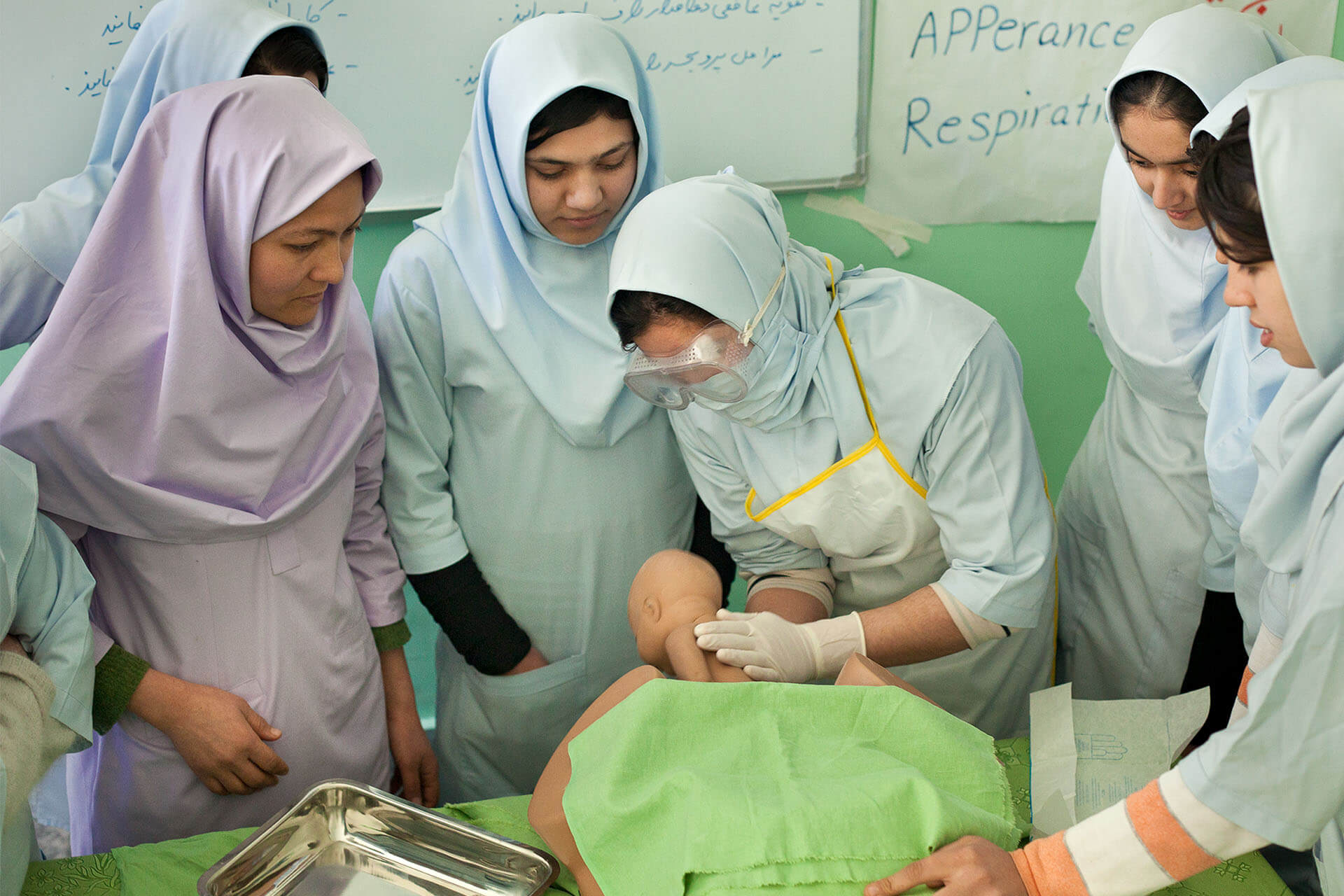
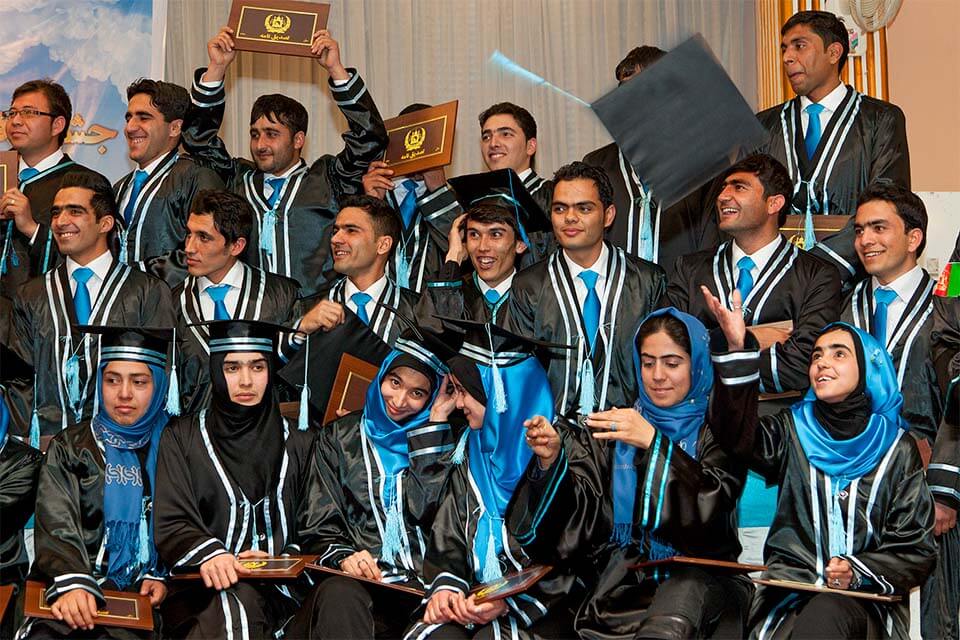
Cap Anamur offered a three-year nursing training programme until February 2025, aimed at participants from rural areas. After completing their training, these participants committed to returning to their home villages for a certain period of time to improve medical care there.
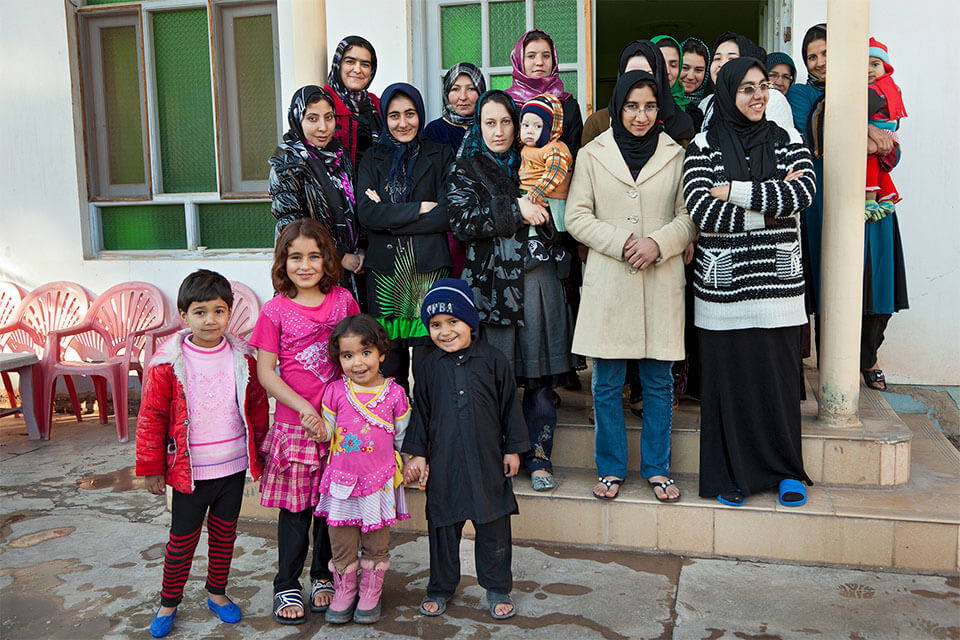
Previously, we had offered two training programmes for midwives and community health nurses over many years, with a total of over 200 graduates already working in rural areas.
Unfortunately, we had to terminate the project due to the legal regulations imposed by the Taliban government. Currently, girls and women have no access to education. Currently, girls are only allowed to attend public schools up to grade 6, i.e. until the age of 12.
Establishment and supervision of a dialysis unit
Establishment and supervision of a dialysis unit
At the provincial hospital in Herat, Afghanistan’s second-largest city, Cap Anamur supports the only state-run dialysis center by providing financial assistance and technical equipment. We also support another dialysis unit in Farah.
Since 2016, we have been providing vital dialysis care—free of charge and reliably—especially to people who otherwise could not afford the costly treatment.
Since early 2026, Cap Anamur has also been operating a Comprehensive Health Center (CHC) in the rural areas of the western Afghan province of Herat. The facility serves a catchment area of 33 villages with a population of around 50,000—in a region where medical care was previously virtually inaccessible to many.

Success in numbers

over 200 graduates
Midwives and Community Health Nurses already working in rural areas.

6 full-fledged clinics
built and already handed over into state hands.
3,895 Dialyses
funded in 2020.


What happens next
The events surrounding the withdrawal of international troops from Afghanistan and the Taliban’s seizure of power in the summer of 2021 have changed the country dramatically. Our work has also been affected. With a heavy heart, we had to suspend our training programme – the government’s current restrictions no longer allow us to continue.
Nevertheless, we do not want to leave the country. We want to continue to be there for the local people with our medical projects, providing assistance and responding to current developments. Our long-standing project manager Faisal Haidari describes it as follows:
‘The work continues – under much more difficult and uncertain conditions, and we are concerned about the future of the country.’
The measures taken by the Taliban to date have had a particularly severe impact on girls and women, whose access to education and equality has been severely restricted. In close cooperation with our local contacts in government and administration, we are therefore trying to continue our medical projects as best we can.