


Dr. Milan van Edig
Working as an anesthesiologist in the Central African Republic

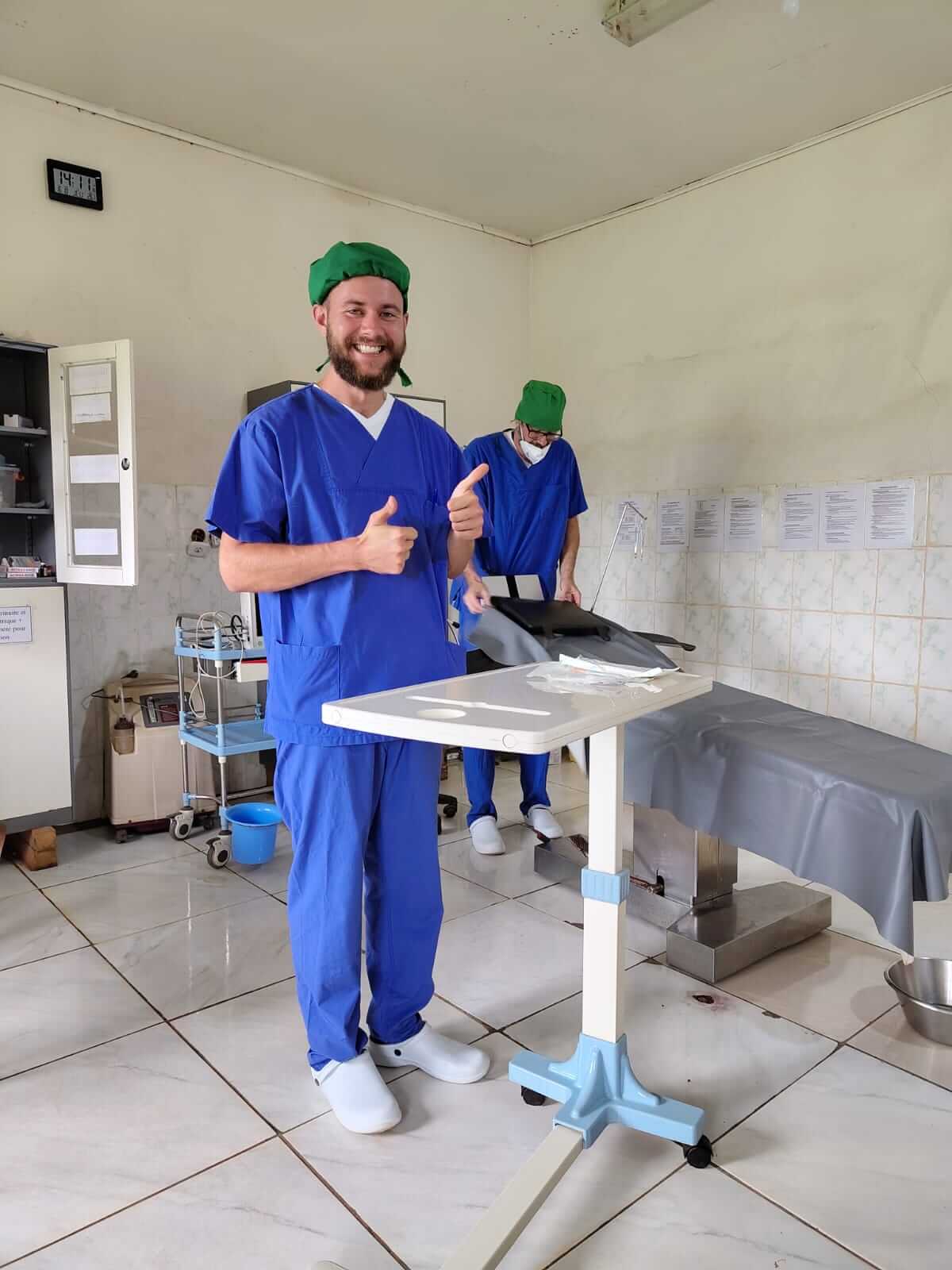
Name
Dr. Milan van Edig
Age
29 years old
Profession
Anesthesiologist and critical care physician
Country of operation
Zentralafrikanische Republik
Duration of mission
6 months
What was your typical day like on the project?
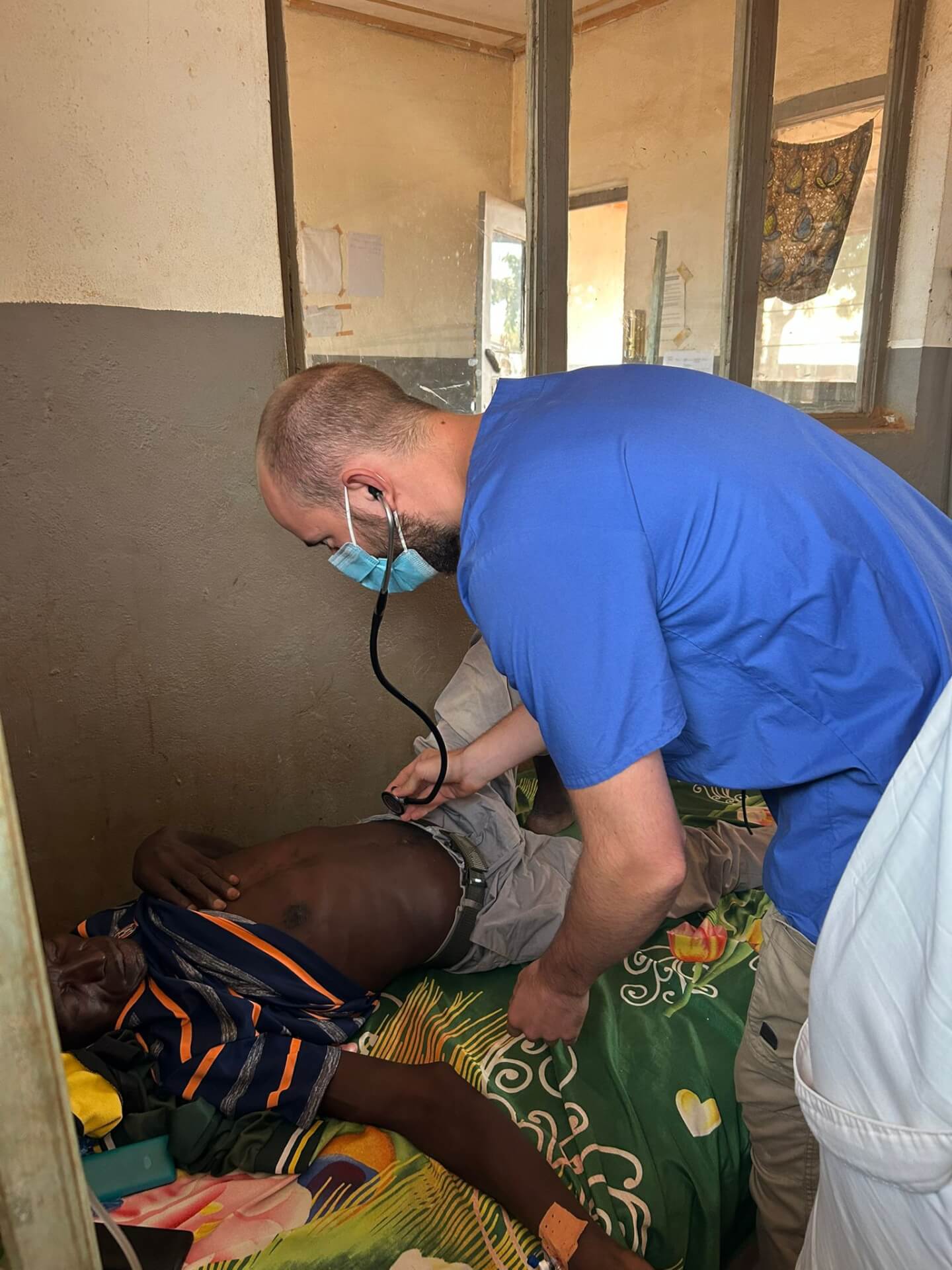
My daily routine was a mix of structure and constant, flexible availability. During the week, I started with the morning meeting, followed by ward rounds. Depending on staffing, this meant visiting one or all departments, from the emergency room to gynecology. If we were well-staffed, it went quickly. If the chief resident and the students weren’t there and I was solely responsible for the rounds, they could drag on until noon.
This was usually followed by ultrasound examinations, particularly in prenatal and gynecological diagnostics. Surgeries were scheduled for Tuesdays and Thursdays. These often involved several procedures in a row. In the afternoon, there was another rounds for new and critical cases, as well as the review of lab results. And then there was the unpredictable part: the 24/7 on-call duty. Especially at night, I was frequently called in for emergencies—for example, for C-sections or to attend to critically ill patients. How often these calls came in depended heavily on staffing levels. In addition to my medical work, I was also closely involved in organizational matters such as logistics, finances, and coordination.
How did you spend your free time?
In my free time, I’ve tried to find a balance to my busy workday by exercising, relaxing in a hammock, or enjoying a drink in town.
What did you appreciate most?
Over time, I’ve felt an increasing sense of confidence and recognition in my role. What I found particularly valuable was the appreciation shown by my colleagues—not just for my work, but also for my efforts to truly engage with local life. I spent a lot of time with the team outside the hospital, improved my Sango language skills, and tried to gain a better understanding of the culture and the country.
What did you miss the most?
Sometimes I wished I had a little more anonymity.
Are there any memories you'd like to share?
There are many memorable moments that have stayed with me, like little mental snapshots:
the elderly woman who had suffered a stroke, next to whose bed her son had laid down his vest filled with ammunition;
the hospital guard who was terrified of his fever spikes and later incredibly grateful for the help;
a malnourished child who looked at my colleague Dana with admiration;
an unconscious woman who, during election season, was blessed with campaign flyers instead of a Bible;
or patients for whom the intensive work and planning paid off despite difficult conditions, or to whom we at least gave the best possible chance.
Unusual situations also stick in my memory. There was a young man who was considered “bewitched” and who felt much better after a simple IV and a little patience. And last but not least, the challenging moments when I had to make decisions with limited resources, or a ward full of crying children that demanded everything I had.
Is there any issue that continues to concern you even after the mission is over?
Yes, especially the question of the role of modern humanitarian aid and how it affects local structures. That’s an issue that continues to occupy my thoughts even after the mission is over.
What specific lessons will you take with you as you move forward in life?
The joy of feeling at home in different cultures. I’ve also learned that even with limited resources and without highly specialized equipment, you can still make a big difference.
What should people in Germany know about the situation on the ground?
Healthcare in the Central African Republic is heavily dependent on international support. Many services—especially those for vulnerable groups such as pregnant women, children, and people living with HIV—are supposed to be free of charge. However, this would not be possible without funding from NGOs and UN agencies.
Local hospitals often rely on revenue generated from the sale of medications. This leads to structural problems, such as a greater focus on economic constraints, and makes it difficult to achieve sustainable improvements in medical care. At the same time, this revenue is often not even sufficient to pay staff adequately or carry out necessary maintenance.
This makes external support all the more important until a self-sustaining healthcare system can be established. In Bossembélé, thanks to this assistance, the district hospital has become a vital resource for the local population. It is essential to sustain and further strengthen this progress.
What would you say to someone who is considering going into the field themselves?
If you’re thinking about going on a mission yourself, it helps to consider the perspective of the local people. Imagine you’ve been working for years in a hospital with established routines. Not everything is perfect, but a lot of things work well in day-to-day life. New colleagues from abroad join the team regularly. They are dedicated, motivated, and full of ideas. At the same time, they first have to get up to speed: with procedures, clinical presentations, communication, and the entire environment.
They often bring fresh perspectives, which is always valuable. Some ideas fit well and stick, while others may have been tried before or are difficult to implement on the ground. Especially when assignments are time-limited, there is sometimes little time to truly embed changes in a sustainable way.
From this perspective, it becomes clear that, in addition to expertise and motivation, continuity is a crucial factor. Projects benefit most when people are willing to commit long-term, listen, and understand existing structures before attempting to make changes. So, if you’re considering volunteering, ask yourself not only what you can contribute, but also whether you’re willing to first integrate into this new context and understand it. This ensures that your involvement in the local project will truly be helpful in the long run.
Team members in portrait

Thorsten Kirsch works as a nurse for Cap Anamur in Somaliland. His most important piece of luggage for the trip: His guitar. Being involved in areas where his strengths lie and having an incredible number of opportunities for further training - Thorsten has taken a lot away for himself from his assignment.
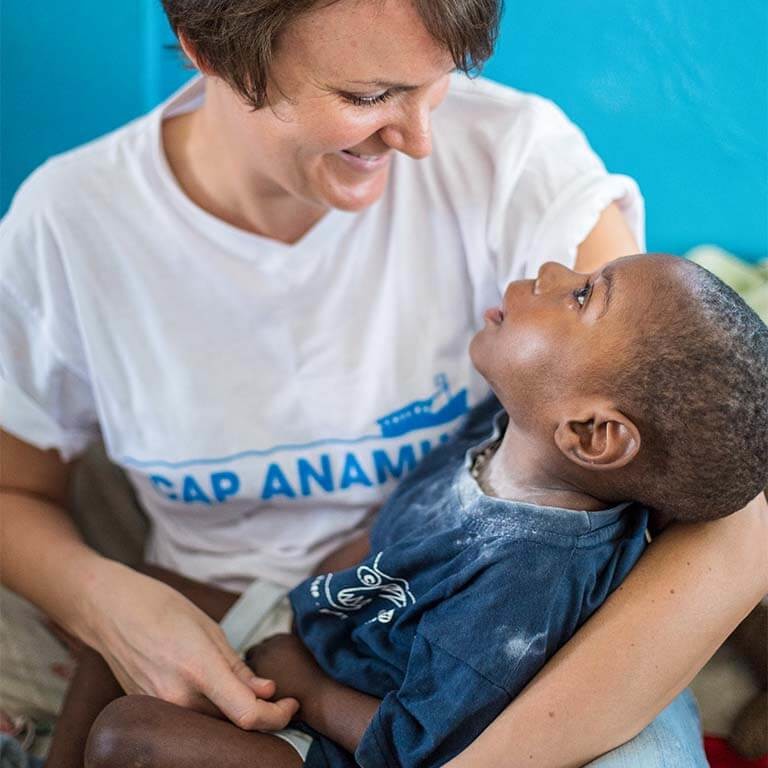
Pediatric nurse Simone Ross had great experiences in both Sierra Leone and Uganda. Working in the emergency room, in the infant and pediatric wards, training local staff, organizing materials for the laboratory - the varied and diverse tasks were what she appreciated most about her work in the project.
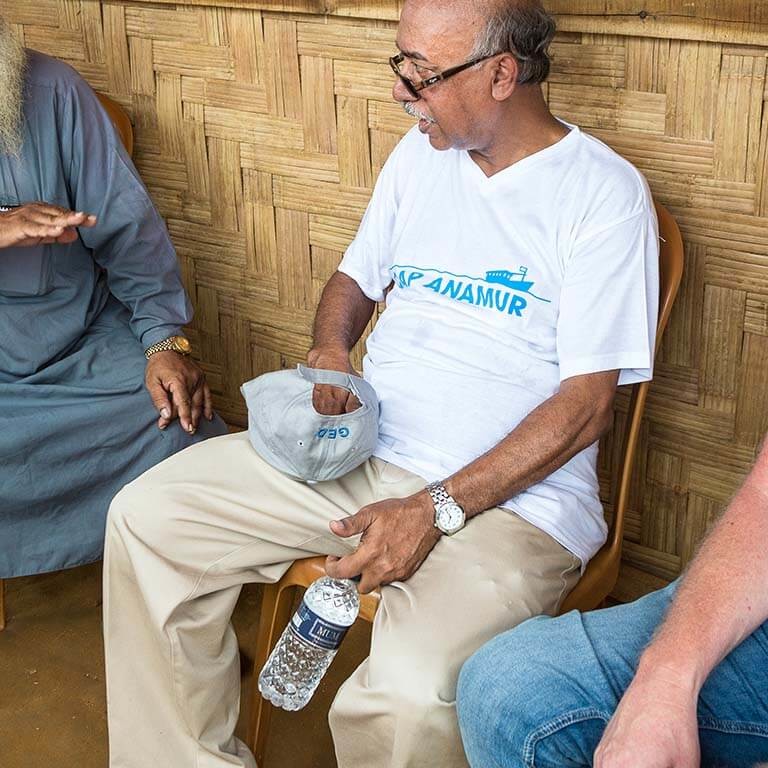
As project coordinator, Shabbir Ahmed takes care of the health care facilities in Bangladesh with which Cap Anamur has cooperation agreements.

Midwife Sarah Schütz worked for six months in the Central African Republic at our hospital in Bossembélé. There she helped deliver many children including twins and premature babies.
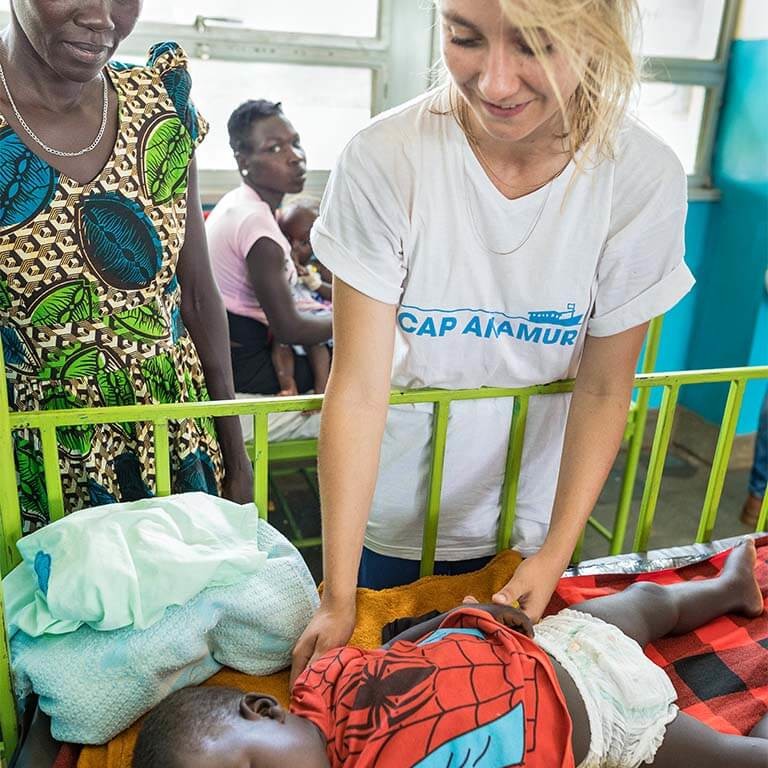
Nurse Nele Grapentin's first mission took her to Uganda, but it is by no means to be her last mission for Cap Anamur. The curiosity of the children, the incredible strength of the Ugandan women and such a diverse country - when Nele Grapentin talks about her mission, she quickly goes into raptures.

Mathias Voss, a nurse, spent more than a year working in our hospital in Sudan. His duties included ward, emergency room or maternal-child clinic rounds and continuing education for local staff members.

Above all, the strong women impressed nurse Karina Busemann in Somaliland. If she had to list all the fond memories she has of her time on the project, it would probably make an entire book. The laughing children will remain in her memory for a long time.
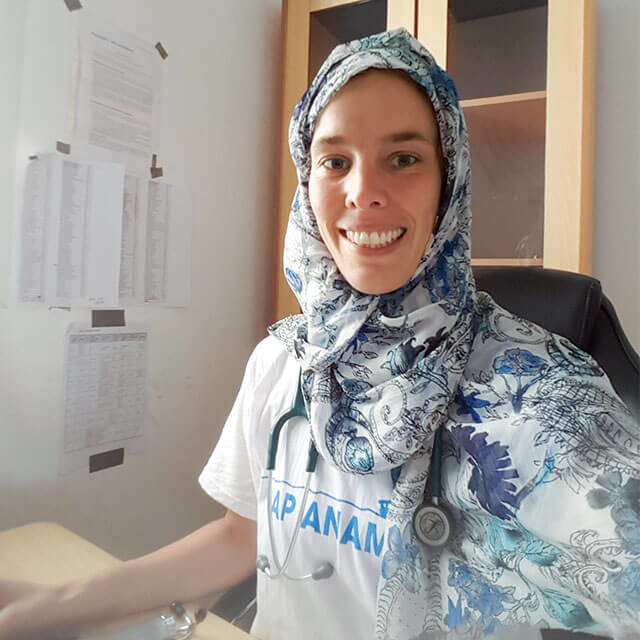
Pediatrician Dorothea Kumpf was in Somalia for Cap Anamur. For six months, the young woman worked in a hospital in Somalialand, an area in the north of the country. Especially the open nature of the population remained in her lasting memory.
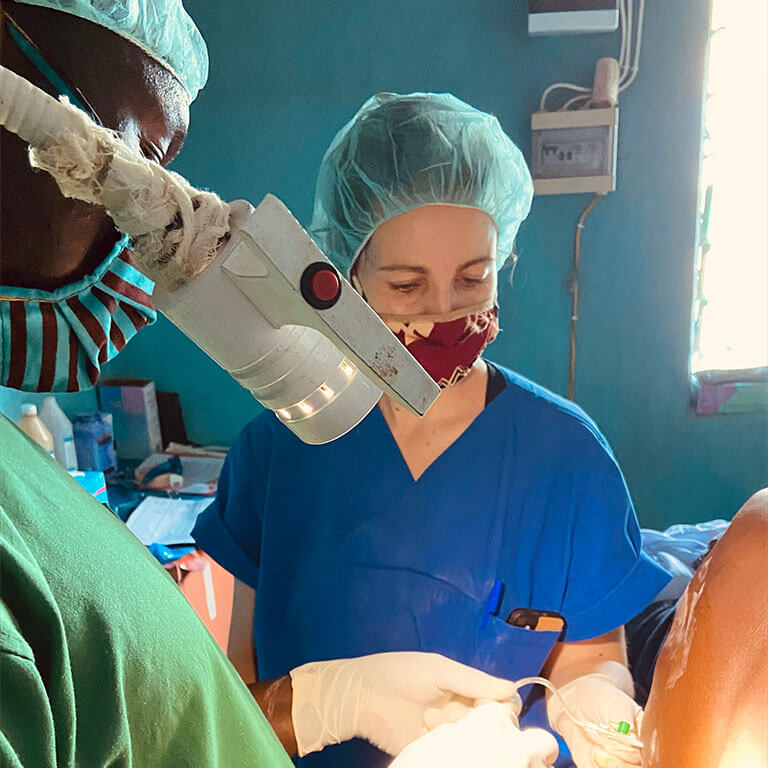
The nurse Anika Wentz talks about her 6 month assignment in our hospital in the Nuba Mountains in the south of Sudan. There, she experienced many things that impress her to this day.
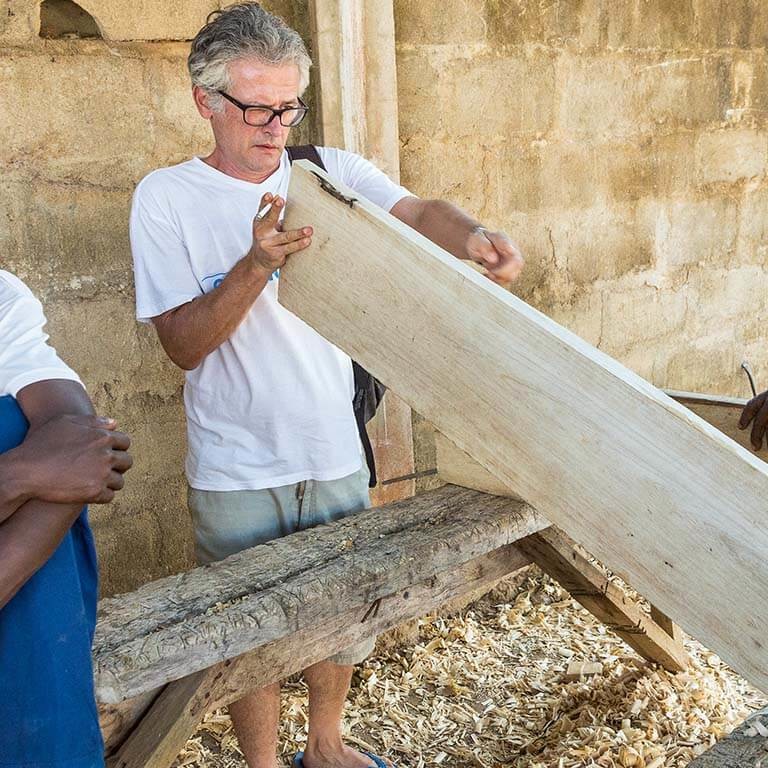
Andreas Tsukalas works as an architect for Cap Anamur in Somaliland. This is already his sixth deployment.

Afghan-born Faisal Haidari works as a project coordinator for Cap Anamur in Afghanistan. Since 2001, the Afghan, of Tajik descent, has been taking care of the progress of Cap Anamur projects in troubled Afghanistan.