Two women, one camp – life and hope in Sudan
An experience report from the Nyakama IDP camp about hunger, displacement and the power of solidarity.
A guest article by Manuel Sollmann, doctor working for Cap Anamur in Sudan
The journey to Nyakama takes us through the dusty, scorching plains of the Nuba Mountains in the heart of South Kordofan. Crammed into an old Toyota, accompanied by four employees from another organisation and our driver, we are on our way to a region where the effects of the conflict in Sudan are palpable. War always brings with it the same companions: hunger, poverty, displacement and children who have to bear the brunt of it all.
Our destination is the Nyakama IDP camp, a camp for internally displaced persons. The team on site consists of three nutritionists and a clinical officer. Their mission: to identify severely malnourished children and provide them with Plumpy’Nut, a high-calorie special food that can save lives. For many children, it is their only chance: normal food would overwhelm their weakened bodies, and the so-called refeeding syndrome can be fatal. Even with optimal therapy, mortality rates are high. Hardly any death is as difficult to bear as that of a malnourished child – because it could have been prevented.
A camp full of dignity – and full of deprivation
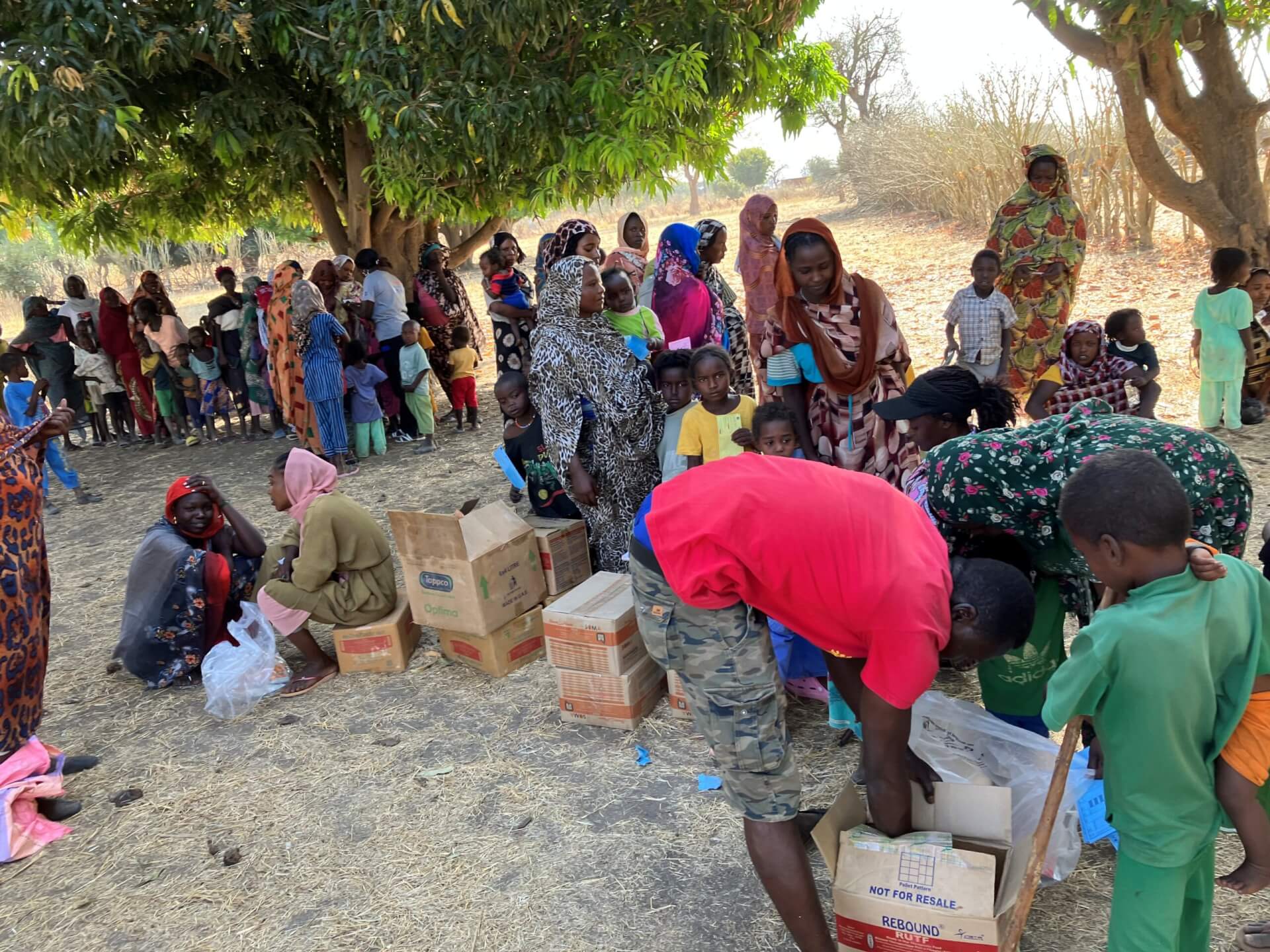
Upon our arrival, the team is immediately surrounded by mothers and children. Far too many thin arms are stretched out towards us. And yet the atmosphere is calm, almost peaceful. The camp appears tidy, clean and astonishingly organised. The huts made of grass and straw are small architectural masterpieces. A sign of dignity and perseverance. They provide protection from the sun, but not from the rain. In three months, the rainy season will begin, and then hardly anything here will remain dry.
Around 8,000 people live in the camp, along with a host community that is equally affected by poverty. There is no medical care in the camp itself. Of the three wells that once existed, only one is still functional. ‘Moya’ – water – is the word that comes up again and again in conversation with the camp chief. When I ask what will happen if this well also dries up, he replies calmly: ‘Then we’ll have to move on.’ But actually, he would like to stay. To settle down.
Hakima – Laughter despite loss
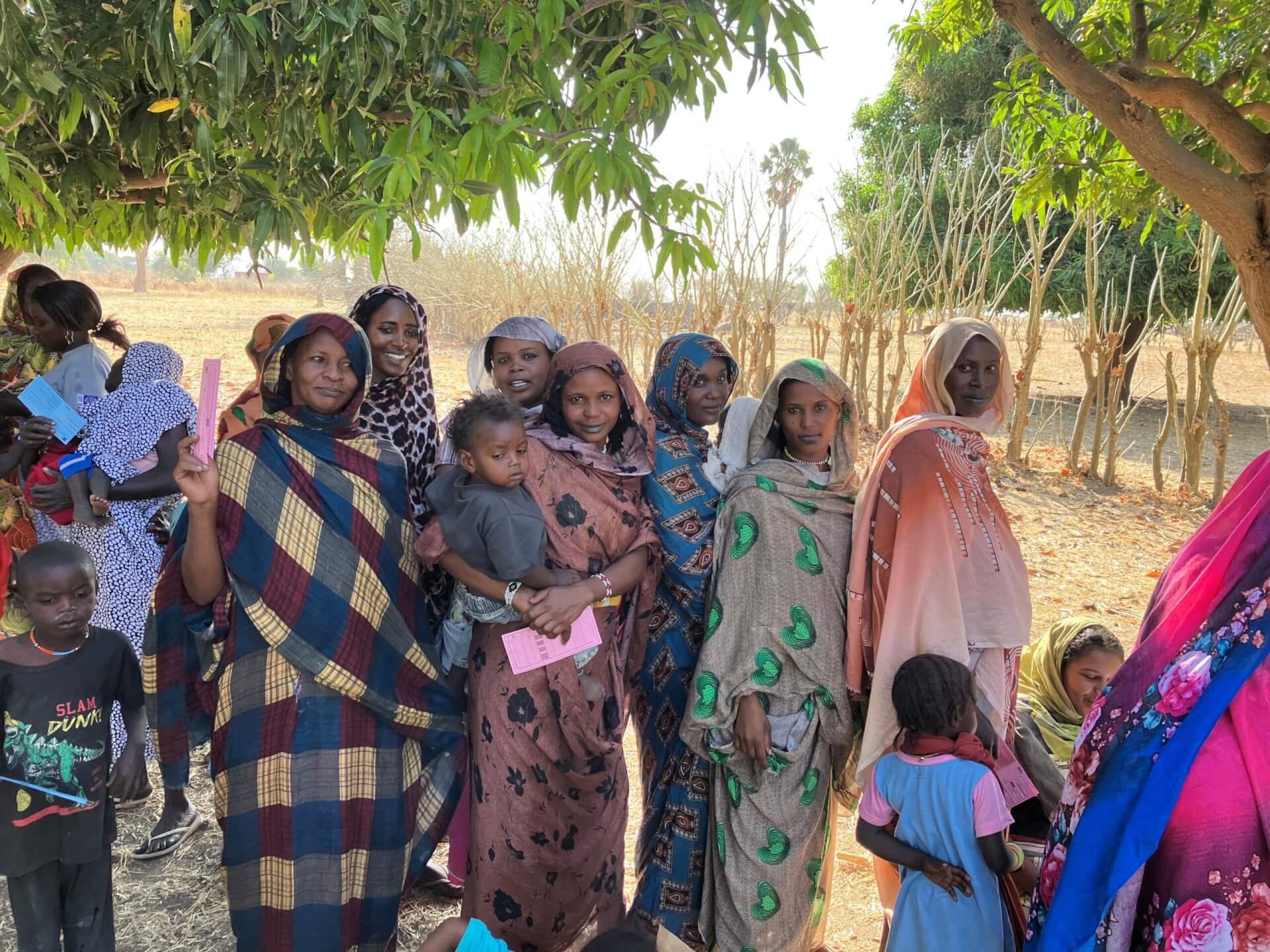
Then I am introduced to Hakima. She is young, a mother of three and a widow. Her husband was shot while fleeing. Life in the camp is particularly hard for women like Hakima: while young men occasionally find work in the host community, there are hardly any opportunities for mothers with small children. Hakima is completely dependent on the community. A community that itself has almost nothing.
And yet Hakima smiles. As we talk, her two-year-old daughter climbs onto her lap and laughs along with her. When Hakima smiles, she gets dimples. Her eyes show a confidence that is hard to comprehend after all she has lost. She does not beg. She does not demand anything. Only when asked does she say what she needs. In Sudan, the poorest share the little they have. I encounter this attitude time and again. It is a quiet, natural solidarity.
Rayla – Responsibility without resources
Rayla works in the camp’s small health post. She has no formal training, but together with a trained nurse from the local area, she cares for thousands of people almost single-handedly. There are hardly any medicines. There is a shortage of everything: time, materials, protection. A fragile network over an ocean of need.
Rayla has also fled her home. She wants to become a nurse or doctor one day. In this situation, that sounds unrealistic, yet her gaze tells a different story. Determination. Intelligence. Humour. Resilience. The most common illnesses in the camp are malaria, pneumonia and diarrhoea. These are diseases that could be easily treated if there were medicines, clean water and stable accommodation.
A moment of hope
When we return, my view of the place has changed: toddlers are sitting everywhere, sucking on silver Plumpy’Nut bags. They are laughing. Playing. Living. A group of children jump around me, curiously touching my hair. Mothers ask me to take photos of them. ‘So you’ll remember,’ they say. ‘So you won’t forget us.’ They know how quickly refugees in Sudan disappear from the world’s view.
Nyakama is a place full of deprivation – and full of people like Hakima and Rayla. Women who carry, care for and hope. They remind us why humanitarian aid is more than just numbers and logistics: it’s about people. And about the decision not to forget them.
About the author
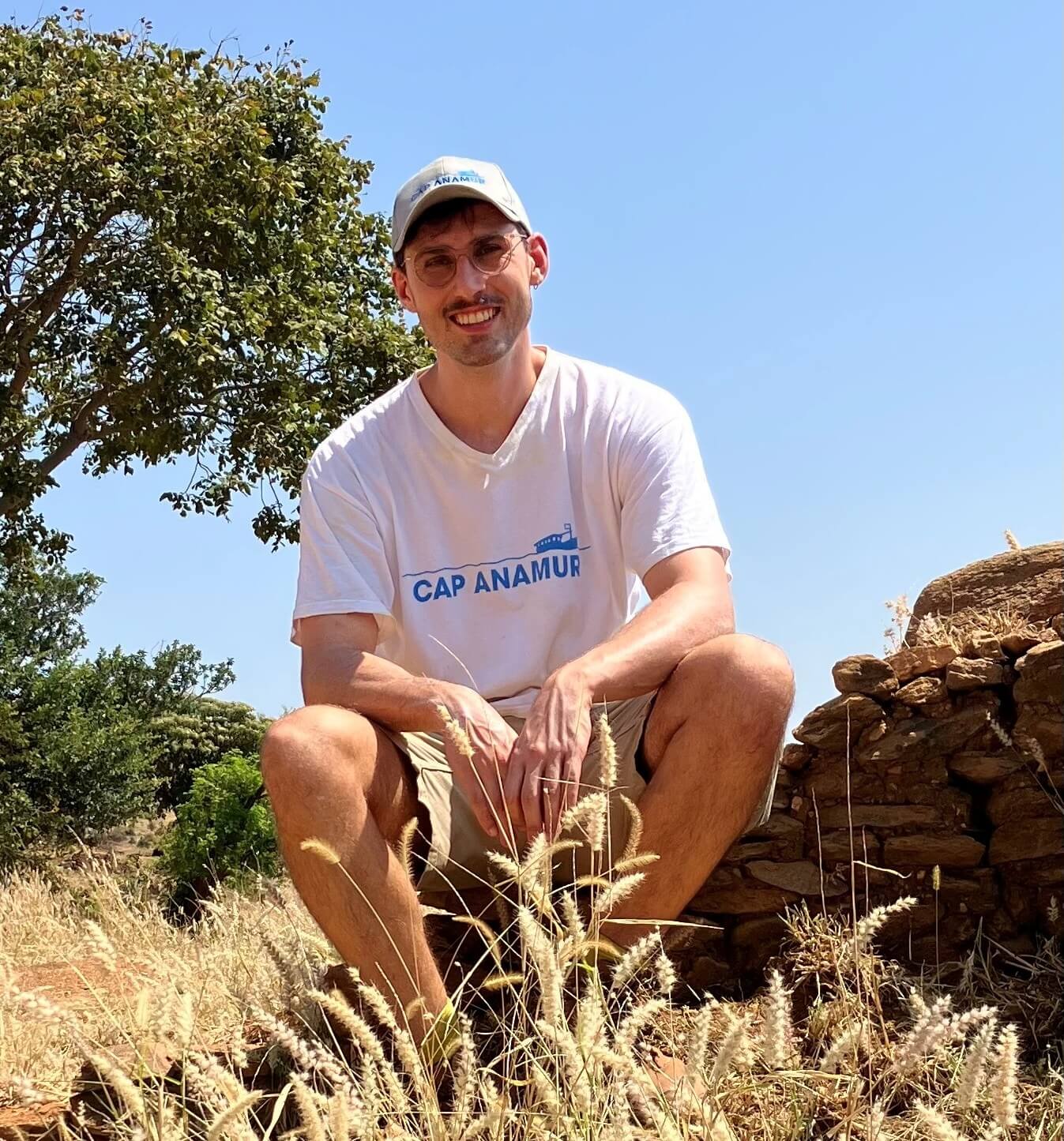
Manuel Sollmann is an anaesthetist from Germany and has already completed several missions abroad in crisis areas. Since November 2025, he has been working with Cap Anamur at the Cap Anamur Hospital on site.