


Daily Life at the Children’s Hospital: Complex Malaria Cases in Sierra Leone
With the onset of the rainy season, cases of malaria are rising sharply in Sierra Leone. Doctor Jonathan gives an account of daily life at the clinic and tells the story of a one-year-old boy who only just survived.
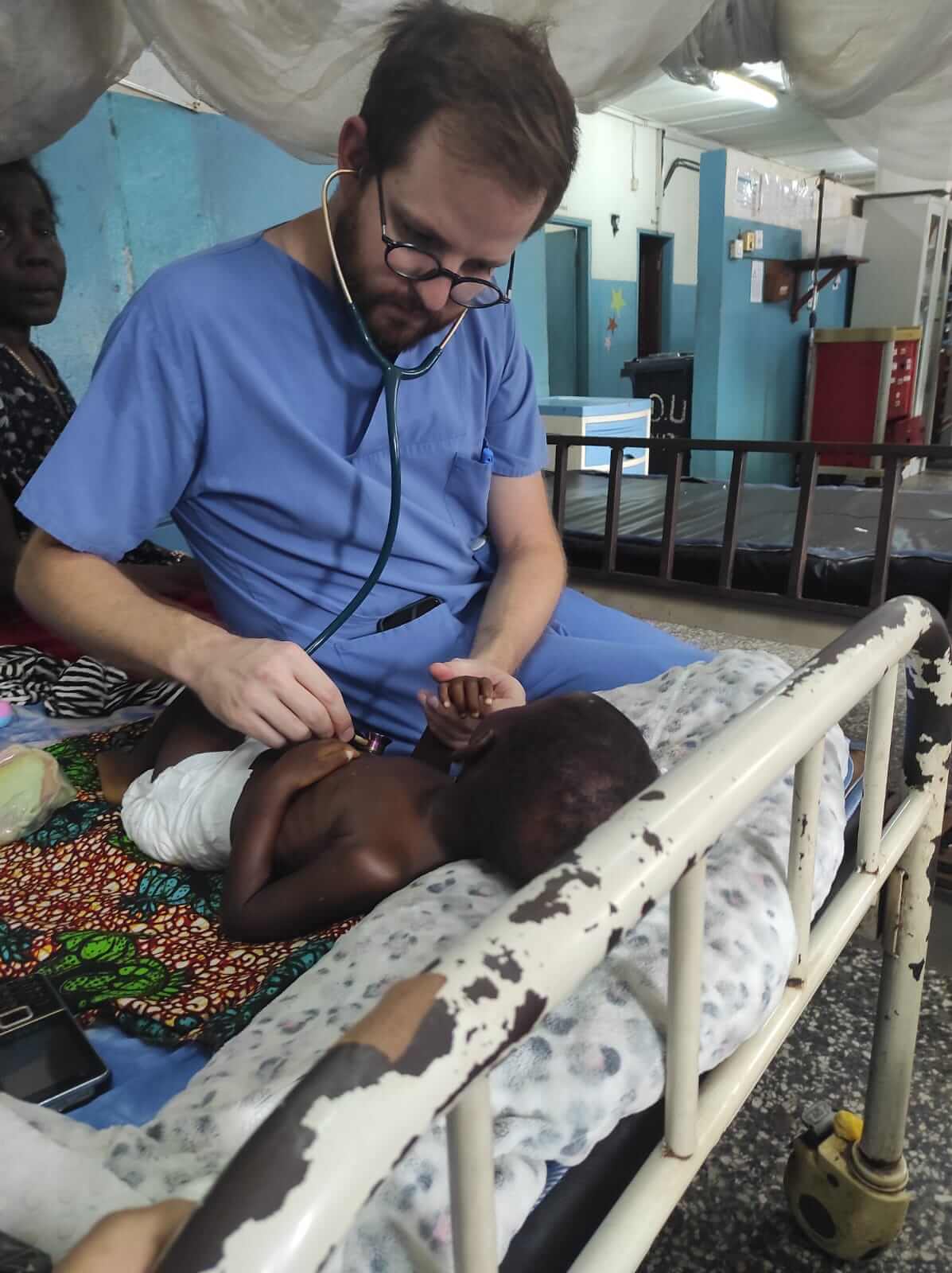
With the onset of the rainy season, the number of malaria cases in Sierra Leone rises significantly every year. The warm, humid conditions provide ideal conditions for the Anopheles mosquito, which transmits the disease, to breed. The hospital where Doctor Jonathan works is already seeing a noticeable increase in severe cases of malaria among children.
Malaria is one of the most dangerous infectious diseases worldwide, particularly for children under the age of five. The disease is transmitted by the bite of the female Anopheles mosquito. Following infection, symptoms such as high fever, chills, vomiting, diarrhoea or severe weakness often appear initially. If the disease is not treated in time, it can become life-threatening within a short period.
An increasing number of severe cases in hospital
In countries such as Sierra Leone in particular, malaria remains one of the leading causes of death among young children. Whilst mild cases often resolve well with prompt treatment, a delay in starting treatment frequently leads to complicated forms of malaria, which repeatedly result in severe neurological damage, organ failure or death.
The hospital where Jonathan works is currently seeing a significant rise in severe cases of malaria.
“More and more children are being admitted to our hospital with severe malaria,” reports Jonathan from Sierra Leone. “In children, severe malaria often means seizures, low blood sugar, severe anaemia, and even coma.”
Together with the local team, he tries to stabilise the children using the resources available and support them through the acute phase of the illness. This involves intravenous anti-malarial drugs, blood transfusions, anticonvulsants and, in many cases, antibiotics as well. Due to a lack of diagnostic facilities, it is often not possible to rule out a secondary bacterial infection with certainty.
The case of a one-year-old boy remains particularly memorable for Jonathan.
The child was admitted to hospital with a high fever and seizures. While still in A&E, the boy was given anti-malarial medication, antibiotics and anti-seizure medication. He was then transferred to Jonathan’s ward.
“When I examined him, he was barely responding at all,” recalls Jonathan.
At least the child’s circulation and breathing were still functioning adequately at first. Further tests, however, revealed severe anaemia: a life-threatening condition. Jonathan immediately arranged a blood transfusion, adjusted the medication and, together with the team, monitored the child’s vital signs. Then the waiting began. For seven days, the boy lay motionless in his bed. “As a doctor, that’s very hard to bear without continuous monitoring,” says Jonathan, describing the situation
It was not until the eighth day that the child showed any initial signs of response. However, the effects of severe malaria were clearly visible: tense muscles, uncontrolled movements, constant scratching of the face and persistent neurological abnormalities. Physiotherapists support the clinic several days a week. They showed the mother exercises she could use to help her son. Gradually, the boy began to make small improvements. After about twelve days, he was able to swallow again and drink on his own. After a total of 17 days, Jonathan was finally able to discharge the young patient home in a reasonably stable condition.
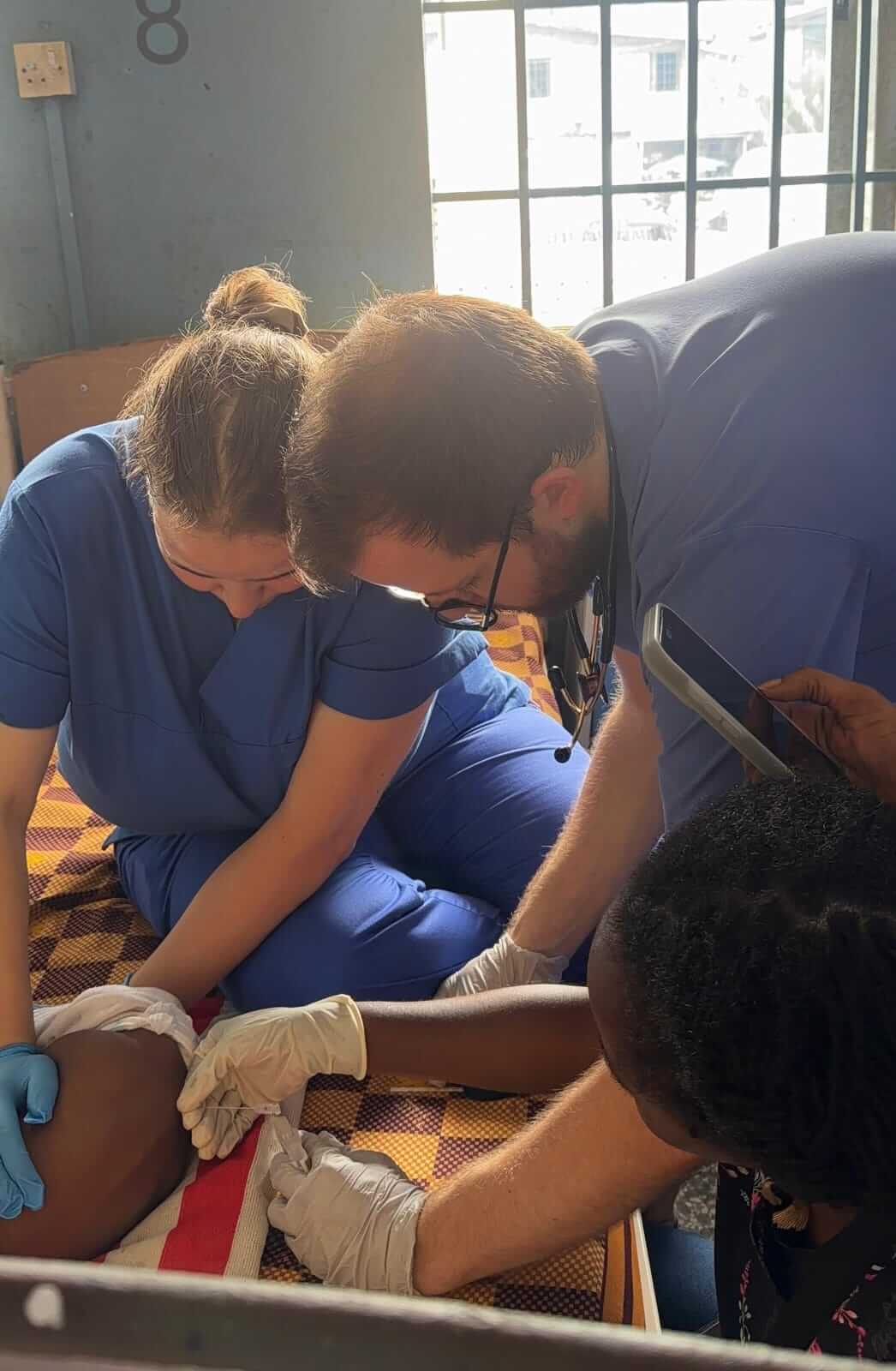
However, the kind of close follow-up care common in Germany is virtually nonexistent in Sierra Leone. Jonathan’s case has once again demonstrated just how varied the course of malaria can be. This makes timely medical care, rapid diagnosis, and access to life-saving medications all the more important.