Birth assistance in Mozambique: Insight into the work of a midwife with Cap Anamur
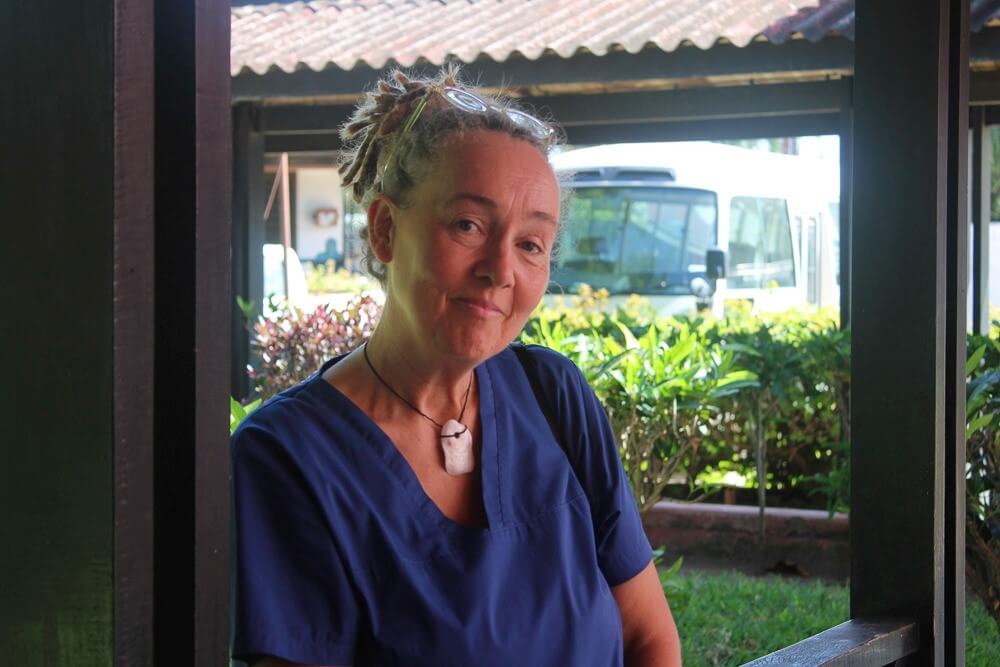
Midwife Anja Hillenhinrichs spent 16 months assisting with births in Mozambique for Cap Anamur – a mission combining medical obstetrics, traditional practices and impressive female strength.

A guest contribution by Anja Hillenhinrichs, midwife working for Cap Anamur in Mozambique
The universal language of birth
My first trip to the African continent was a long time ago: in 1989, at the age of 19, I travelled alone to South Africa. At the time, I had no idea how much this continent would shape me. I felt an intense vitality – a feeling that has never left me. The desire to one day work as a midwife in Africa arose back then. Many years later, this dream became reality: I was able to become part of a project run by Cap Anamur – Deutsche Notärzte e. V. in Mozambique.
Midwifery in Mozambique: Between tradition and modern medicine
Since February 2024, I have been working in the province of Cabo Delgado in northern Mozambique. My daily work as a midwife was characterised by contrasts: on the one hand, modern clinical obstetrics, on the other, traditional practices and a glaring lack of medical resources.
In Mozambique, births often take place under very basic conditions. Technical equipment is limited, pain medication is hardly available, and hygienic standards are not always guaranteed. Women usually give birth without painkillers – accompanied by relatives or nurses who have practical experience but often no formal training.
What initially seemed strange to me – such as the strong manual support during childbirth by applying pressure to the abdomen – can be guided in a safer and gentler direction through careful cooperation, mutual trust and intercultural exchange.
The power of Mozambican women
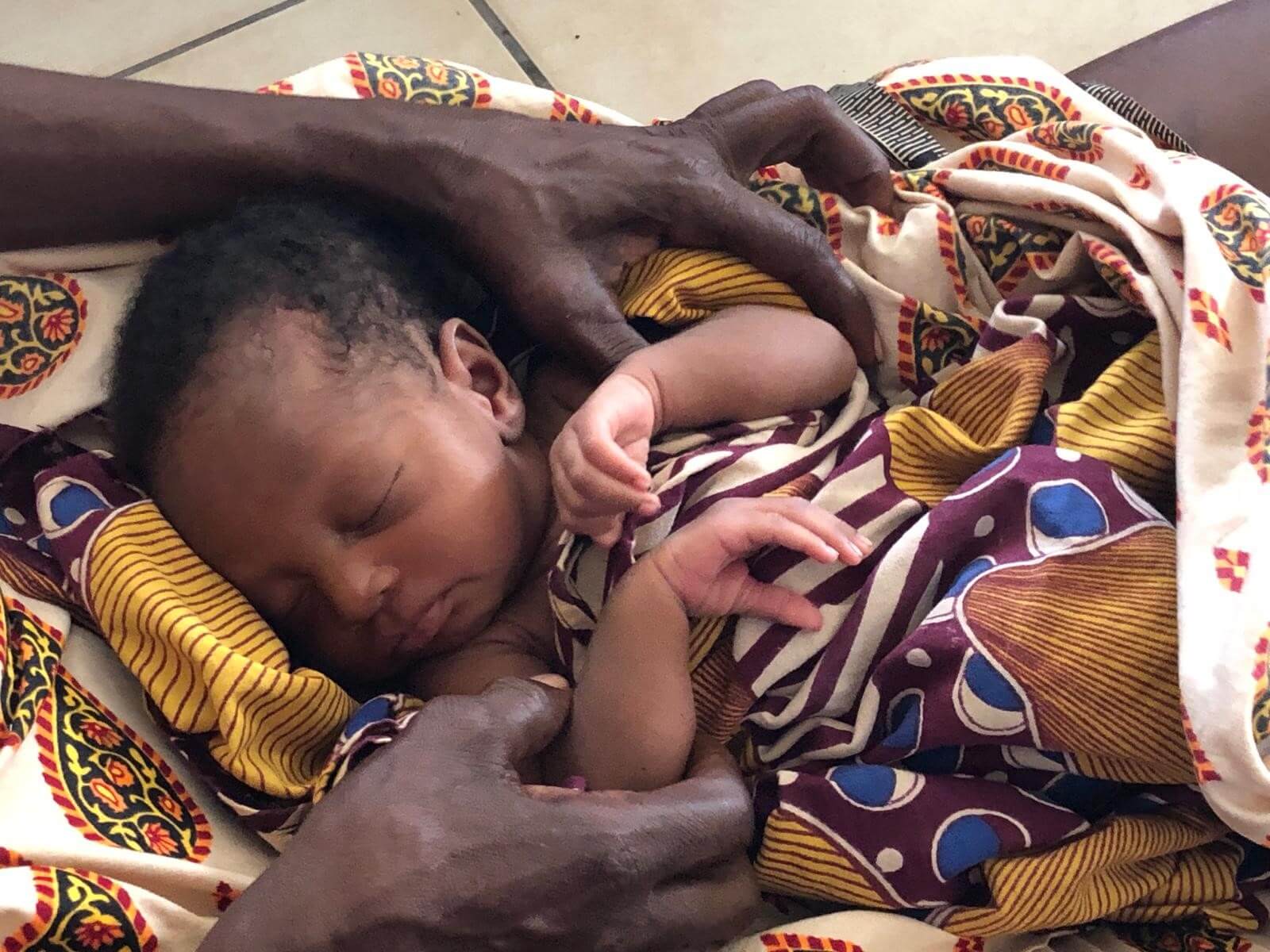
I was deeply impressed by the strength and dignity of the women in Mozambique. How they accept pain, cope with loss and give birth with overwhelming strength – present in pain, in joy and in life. This attitude touched me deeply. It taught me what it means to live fully in the moment – a skill we in Europe can learn a lot from.
Humanitarian assistance as a midwife: learning on equal terms
A particularly enriching part of my work was the professional exchange with local colleagues. Despite linguistic and cultural differences, genuine cooperation took place: my knowledge was absorbed, critically questioned and further developed – and I also learned about cultural peculiarities, spiritual aspects of childbirth and what remains when technology is lacking.
Working as a midwife in Mozambique is hardly comparable to working as a midwife in Germany. And yet we are united worldwide by a deep understanding of the miracle of birth – and the great responsibility that comes with it.
Conclusion: Midwifery as a bridge between cultures
During these 16 intense months, I was not only able to teach, but above all to learn, observe and marvel at the many ways in which life begins. I am grateful to have been part of this medical assistance project in Africa. And I hope that the experiences, respect and openness we shared in the delivery room will continue to have an impact – across national borders, languages and professions.
„Live is for living and living is free“, I once said.
„Live is for surviving“, answered my Mozambican friend.
In Mozambique, I experienced both – and preserved both.
About the author
Anja Hillenhinrichs worked as a midwife for Cap Anamur in Mozambique for 1.5 years (2024–2025). Her work is a great example of how medical professionals can really make a difference in humanitarian work.