


“I feel like I’m part of a family here.”
An interview with Belvia Kettemale, coordination assistant for Cap Anamur in the Central African Republic.
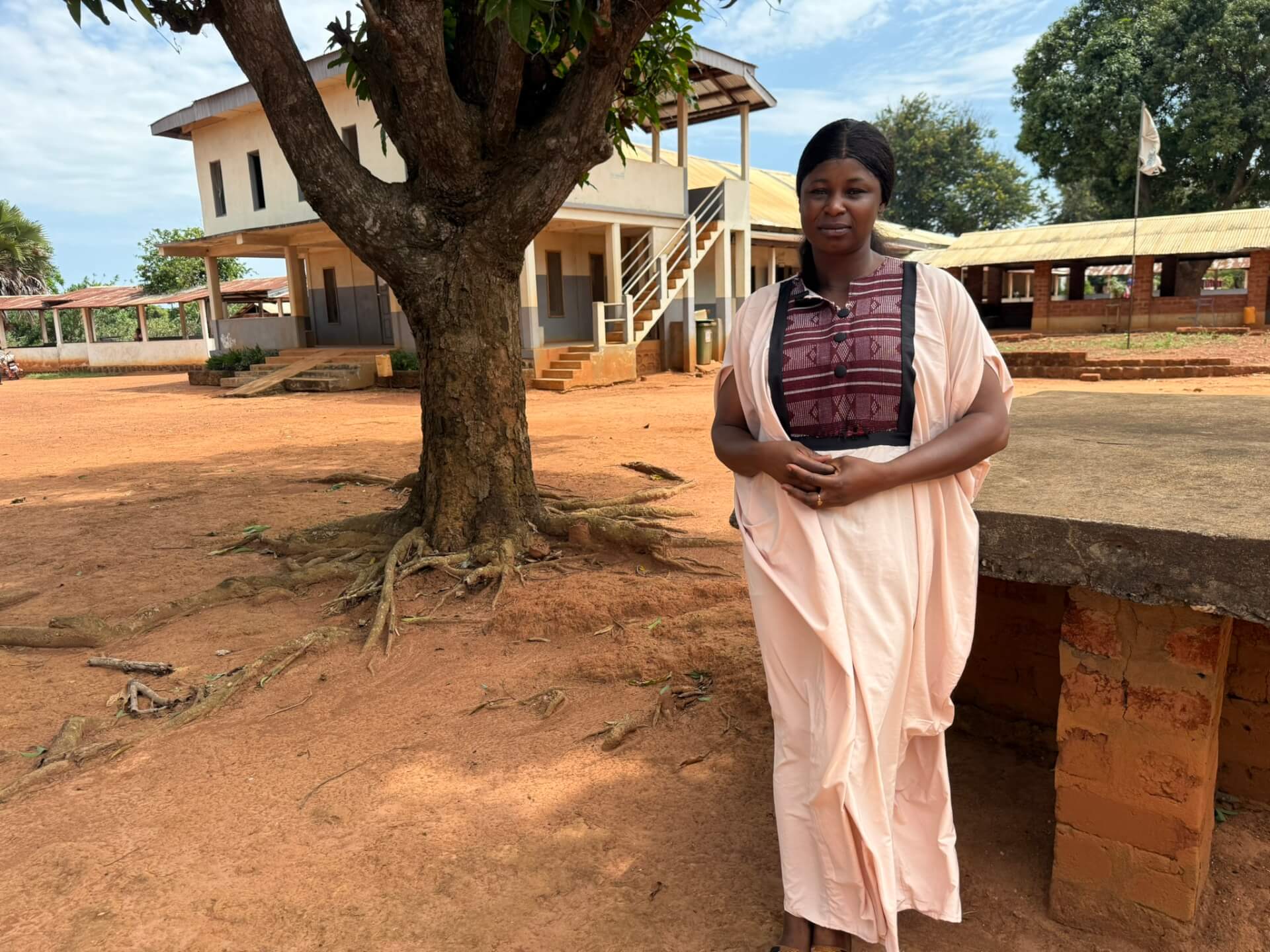
Thousands of people in the Central African Republic have only limited access to medical care. Since 2015, Cap Anamur has been supporting a hospital in the Bossembélé Health District, which has been continuously expanded and developed over the years. Together with international and local staff, the project strengthens healthcare services in the region and sustainably improves access to medical treatment for the local population. Today, the hospital is an essential healthcare facility in the district and is firmly integrated into the local health system.
Ms. Kettemale, could you briefly introduce yourself? Who are you, and what is your role at Cap Anamur?
My name is Belvia Kettemale, and I work as a Coordination Assistant for Cap Anamur in the Central African Republic. Today, I live and work in Bossembélé, although I grew up in Bangui before moving here.
How did you come to work for Cap Anamur?
I first came into contact with Cap Anamur in 2015, at the height of the political crisis in the Central African Republic. That was when the organization began its work in the Bossembélé Health District. Shortly afterwards, I joined the team. I have now been working for Cap Anamur for more than ten years, and it has been a truly formative experience for me.
What does a typical workday look like for you?
As a Coordination Assistant, I primarily support the Project Coordinator in their day-to-day work. My responsibilities include a wide range of organizational and administrative tasks. I take care of administrative matters, assist with the procurement of medicines and medical supplies, and help compile and monitor statistical data. My work therefore combines administration, logistics, and support for the medical activities on the ground.
What challenges do you face in your work?
One of the biggest challenges is obtaining medicines, supplies, and medical equipment. Many of these items have to be sourced from Bangui, which is about a three-hour drive away, but even there not everything is available. Sometimes we have to organize long-distance transport by truck to ensure that the necessary supplies reach the hospital. Despite these challenges, we always find solutions.
What does your work at Cap Anamur mean to you personally?
I truly enjoy my work. Through Cap Anamur, I have met many new people and learned a great deal about hospital management and teamwork. To me, the team here feels almost like a family.
You are a woman in a position of responsibility. What does that mean to you?
For me, the challenge is to keep moving forward, take responsibility, and lead by example. In the Central African Republic, many women and girls still have limited access to education. I want to encourage them to believe in themselves, make the most of the opportunities they have, and pursue their own path. Education is the key to making that possible.
What message would you like to share with Cap Anamur’s donors?
I would like to sincerely thank all of Cap Anamur’s donors—including the many people who choose to give anonymously. Your support enables us to continue our work here in the Central African Republic and provide essential medical care to those who need it most.